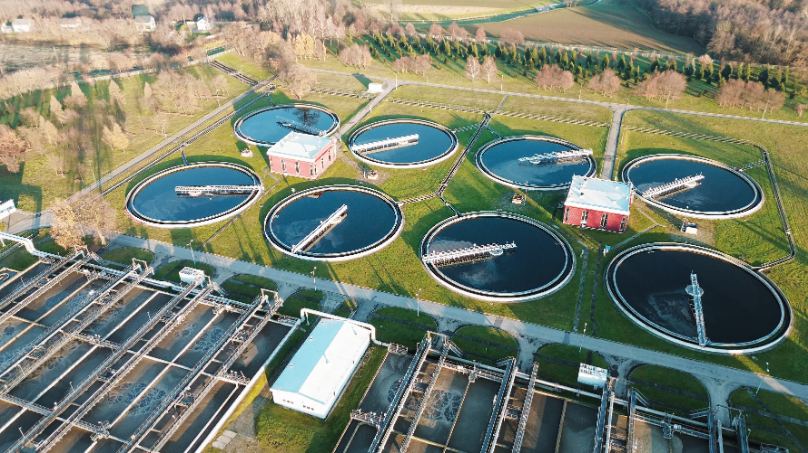
Condition monitoring for water treatment plants enables UAE utilities and industrial facilities to prevent equipment failures, reduce downtime, and maintain continuous water supply through real-time sensor data and predictive analytics aligned with DEWA, FEWA, and RSB requirements.
What’s New in UAE Water Treatment Monitoring Standards: The Dubai Electricity and Water Authority (DEWA) introduced updated water quality monitoring requirements in 2024, mandating continuous parameter tracking for desalination plants and water treatment facilities serving Dubai’s growing population. These standards align with the UAE Water Security Strategy 2036 objectives targeting enhanced water infrastructure reliability and reduced non-revenue water losses.
The Regulation and Supervision Bureau (RSB) for Abu Dhabi updated equipment maintenance documentation requirements for water utilities, emphasizing predictive maintenance records and condition-based monitoring data. The Federal Electricity and Water Authority (FEWA) published technical guidelines encouraging IoT sensor deployment across Northern Emirates water infrastructure.
The Ministry of Climate Change and Environment released water quality compliance frameworks requiring documented monitoring systems for industrial water treatment facilities. The Dubai Municipality updated permit requirements for water recycling and treatment plants, emphasizing real-time monitoring capabilities. These regulatory developments make condition monitoring for water treatment plants increasingly essential for UAE facilities maintaining compliance and operational excellence.
About 3PH Tech Services Engineering Team: This technical guide is prepared by 3PH Tech Services’ electrical and automation engineering specialists with extensive experience in UAE water treatment installations, SCADA systems, industrial monitoring solutions, and predictive maintenance programs. Our engineering team holds qualifications including Bachelor’s degrees in Electrical Engineering, professional certifications in industrial automation, and specialized training in water treatment system instrumentation.
3PH Tech Services maintains DEWA-approved contractor status and works directly with Dubai Municipality, Environment Agency Abu Dhabi, and free zone authorities across Dubai, Abu Dhabi, and Northern Emirates. We specialize in condition monitoring system design, IoT sensor installation, SCADA integration, and predictive maintenance programs serving water utilities, desalination plants, industrial facilities, and commercial buildings throughout the UAE.
Learn more about our engineering team and certifications.
Scope of This Technical Guide: This article provides general information about condition monitoring for water treatment plants under UAE water utility regulations, DEWA standards, RSB requirements, and international specifications including IEC and IEEE standards as of December 2025. Individual facility requirements vary significantly based on treatment capacity, water source type, distribution network configuration, and specific regulatory jurisdiction.
For specific advice regarding your condition monitoring requirements, sensor selection, system design, or technical specifications tailored to your water treatment facility, consultation with qualified electrical and automation engineers is recommended. Contact 3PH Tech Services for professional guidance addressing your specific operational needs.
Understanding Condition Monitoring for Water Treatment Plants
Condition monitoring for water treatment plants represents a fundamental shift from reactive emergency repairs to proactive equipment management. This approach continuously tracks the health and performance of critical water treatment equipment using sensors, data analytics, and automated alert systems designed to detect problems before they cause operational failures affecting water supply to UAE communities and industries.
Water treatment plants across Dubai, Abu Dhabi, and the Northern Emirates operate complex equipment including large centrifugal pumps, membrane filtration systems, chlorination equipment, desalination reverse osmosis units, and electrical infrastructure. Each component faces specific degradation patterns and failure modes requiring targeted monitoring strategies. Condition monitoring combines data from multiple sensor types to create a complete picture of equipment health and predict probable failures weeks or months in advance.
The approach integrates Internet of Things (IoT) technology, industrial sensors, cloud-based data processing, and machine learning algorithms to analyze equipment performance patterns. When data indicates developing problems, the system generates alerts enabling maintenance teams to schedule repairs during planned maintenance windows rather than responding to emergency failures that interrupt water supply and create public health concerns.
UAE water utilities face mounting pressure to maintain reliable service while managing aging infrastructure, expanding service areas, and meeting stringent quality requirements from DEWA, FEWA, and RSB. Condition monitoring addresses this challenge by optimizing maintenance timing, extending equipment lifespan, and reducing catastrophic failures that disrupt water supply to entire communities.
This guide examines how UAE water treatment facilities can implement condition monitoring programs that reduce unplanned downtime by 30-50%, decrease maintenance costs by 18-25%, and extend equipment lifespan by 20-40% according to industry research and documented utility implementations.
The Cost of Water Treatment Plant Equipment Failure in UAE
The financial impact of unplanned equipment failures in water treatment plants extends far beyond repair costs, affecting entire communities, municipal budgets, and industrial operations across the UAE.
Downtime Costs and Service Interruptions
Water supply interruptions cost businesses and consumers AED 7,500 to AED 185,000 per hour in operational impacts depending on industry sector, according to research on supply disruption costs. Manufacturing facilities in UAE industrial zones lose AED 370,000 to AED 740,000 per day from water interruptions affecting cooling systems, cleaning processes, and production operations. Data centers in Dubai face severe consequences, losing AED 22,000 to AED 33,000 per minute when cooling systems fail due to water supply loss.
For municipal utilities serving UAE communities, supply interruptions create public health concerns requiring boil water notices, customer notification, and potential regulatory scrutiny from Dubai Municipality or Department of Health Abu Dhabi. Water utilities experience efficiency reductions averaging 7.9 percent due to external costs associated with unplanned supply interruptions, according to published research.
Emergency Repair Premiums
Equipment failures require emergency service calls with premium pricing for after-hours response, expedited parts procurement through Dubai Customs, and extended technician hours. Emergency repair costs often exceed planned maintenance costs by 300 to 400 percent because repairs occur under time pressure without proper planning or preparation.
A typical emergency pump replacement after failure may cost AED 11,000 to AED 18,500 plus additional costs for temporary water supply arrangements. In contrast, scheduled preventive maintenance during planned service windows costs a fraction of emergency repair expenses and prevents catastrophic failure entirely.
UAE-Specific Cost Considerations
UAE water treatment facilities face additional cost factors including premium labor rates for emergency technicians, expedited shipping charges for replacement parts, and potential penalties for service level agreement violations with industrial customers. Facilities operating in JAFZA, KIZAD, or other free zones may face operational permit complications if equipment failures result in environmental incidents or supply disruptions.
Energy costs during equipment restart cycles represent another significant expense. DEWA demand charges accumulate rapidly when pumping systems operate inefficiently during startup sequences following unplanned failures. Desalination plants face particularly high restart costs given the energy-intensive nature of reverse osmosis and thermal desalination processes.
Actionable Takeaway
Document your facility’s actual downtime costs by tracking equipment failures, repair expenses, and production impacts over 6 to 12 months. Calculate the true cost per hour of water supply interruption including emergency repair premiums, customer notification expenses, and regulatory compliance impacts. This baseline enables accurate ROI calculation for condition monitoring investments. Contact 3PH Tech Services for professional assessment of your water treatment facility’s failure risk and potential cost savings through condition monitoring implementation.
Common Equipment Failures in Water Treatment Facilities
Understanding the specific ways water treatment equipment fails reveals opportunities for detection through condition monitoring systems deployed in UAE facilities.
Pump Failures and Cavitation
Pumps represent critical equipment in water treatment systems, moving water through treatment processes and distribution networks. In UAE water treatment facilities, pumps face specific challenges including blockages from debris and solids, cavitation from inadequate intake pressure, corrosion from chemical exposure and high-salinity source water, and electrical winding failures accelerated by elevated ambient temperatures.
Cavitation Detection
Pump cavitation occurs when vapor bubbles form and collapse in the pumped fluid, creating high-pressure shock waves that damage pump components and reduce efficiency. Early cavitation detection through pressure and acoustic monitoring enables intake pressure adjustment before catastrophic damage occurs.
Blockage Identification
Blockages from accumulated solids reduce flow rates and increase discharge pressure. Real-time pressure monitoring detects the pressure rise associated with blockages, enabling filter cleaning before flow reduction affects treatment capacity.
Bearing Degradation
Bearing degradation in pump motors causes vibration and heat generation. Temperature increases at bearing locations provide early warning 1 to 2 weeks before bearing seizure occurs. Vibration monitoring detects bearing degradation patterns before mechanical failure and potential safety hazards.
Membrane Fouling and Scaling
Membrane filtration systems including ultrafiltration, nanofiltration, and reverse osmosis are particularly critical in UAE desalination and water recycling facilities. These systems are susceptible to fouling from suspended solids, organic compounds, and colloids, and scaling from inorganic salt precipitation common in Gulf seawater.
Colloidal Fouling
Colloidal fouling occurs when suspended solids and colloidal material accumulate on the membrane surface, forming a cake layer that obstructs water flow and increases pressure differential. Pressure drop monitoring detects fouling development, enabling backwash cycles or cleaning before membrane damage occurs.
Scaling from Salt Deposition
Scaling from inorganic salt deposition including calcium carbonate, silica, and magnesium salts reduces membrane permeability and forces higher operating pressures. Transmembrane pressure (TMP) monitoring detects scaling development. Monitoring feed water composition enables pH adjustment or antiscalant addition before excessive scaling occurs.
Membrane fouling and scaling reduce treatment capacity, increase energy consumption as pumps work harder to overcome pressure resistance, and eventually render membranes unusable requiring expensive replacement. Early detection through pressure monitoring enables corrective actions before membrane performance degradation becomes severe.
Chemical Feed System Failures
Chemical injection pumps dosing coagulants, flocculants, disinfectants, and pH adjustment chemicals are subject to clogging from particle buildup, corrosion from chemical exposure, and mechanical wear. Pump failure leads to incorrect chemical dosages that compromise water quality and treatment effectiveness.
Flow monitoring detects significant deviations from expected flow rates indicating pump malfunction. Pressure monitoring reveals blockages in chemical lines. Temperature monitoring in chemical storage and injection lines identifies cooling system failures that allow chemicals to degrade in UAE’s elevated ambient temperatures.
Electrical and Motor Failures
Electrical motors driving pumps, blowers, and treatment equipment experience stator winding insulation degradation, bearing wear, and load variations. UAE facilities face accelerated electrical degradation due to ambient temperatures regularly exceeding 45°C during summer months, requiring specific derating factors per DEWA electrical installation standards.
Motor current signature analysis detects developing electrical problems before motor failure occurs. Power quality issues including voltage fluctuations, harmonic distortion, and frequency variations affect motor performance and accelerate degradation. Power monitoring identifies electrical supply problems enabling corrective action.
Actionable Takeaway
Conduct a failure mode analysis for your water treatment facility identifying equipment with highest failure frequency, longest repair duration, and greatest operational impact. Prioritize condition monitoring deployment on equipment where early detection provides maximum benefit. Focus initial investments on critical pumps, membrane systems, and electrical infrastructure. Schedule a failure risk assessment with our specialists to identify monitoring priorities for your UAE water treatment facility.
Why Traditional Monitoring Falls Short
Conventional water treatment plant monitoring relies on fixed-schedule preventive maintenance and periodic manual testing, creating significant limitations that condition monitoring overcomes.
Limited Coverage and Measurement Points
Manual sampling and testing capture data only at specific intervals, typically weekly, monthly, or quarterly as required by Dubai Municipality or RSB regulations. Events occurring between sampling periods remain undetected until the next scheduled testing. A harmful algae bloom or contamination event can develop between weekly samples, causing treatment disruption that could have been prevented through early detection.
Personnel manually recording measurements introduces variability and human error. Different technicians obtain different readings using the same equipment due to technique variations. Handwritten records are prone to transcription errors and lose temporal precision if recording is delayed.
Blind Spots Between Inspection Intervals
Fixed-schedule maintenance cannot detect failures developing between scheduled inspections. Equipment can remain in marginal condition for extended periods until it reaches critical failure threshold, after which cascading damage occurs.
Rapidly developing failures such as bacterial growth, temperature excursions from cooling system failure, or chemical breakthrough escape notice until symptoms become severe. By the time monthly or quarterly testing reveals problems, damage has already accumulated.
Reactive Response to Failures
Traditional maintenance cannot anticipate failures, only respond after they occur. Emergency repairs require after-hours technician response, premium parts procurement, and extended downtime far exceeding planned maintenance duration.
Reactive maintenance creates unpredictable operational disruptions affecting treatment capacity, supply reliability, and regulatory compliance with DEWA and FEWA service standards. Water utilities cannot plan maintenance timing to avoid peak demand periods or coordinate maintenance across multiple systems.
Compliance and Documentation Gaps
Fixed-schedule maintenance may not align with regulatory testing requirements or process-specific monitoring needs. Gaps between regulatory testing and equipment failure prevention create risk periods when critical parameters remain unmonitored.
Documentation of manually recorded data is incomplete and difficult to analyze for trends. Regulatory authorities including Dubai Municipality and Ministry of Climate Change and Environment require documented evidence of appropriate monitoring and maintenance for safe water system operation.
How Condition Monitoring Technology Works
Condition monitoring for water treatment plants employs systematic approaches combining continuous data collection, analysis, and automated response tailored to UAE operational requirements.
Real-Time Sensor Data Collection
Advanced sensor networks continuously capture equipment performance data including pressure, temperature, flow rate, vibration, power consumption, and water quality parameters. Unlike periodic manual measurements, continuous sensors detect transient events and rapid changes that might be missed between sampling intervals.
Wireless IoT sensors eliminate extensive cable installation, enabling retrofitting of existing equipment in established UAE water treatment facilities. Battery-powered sensors operate for 3 to 7 years on single charge, reducing maintenance requirements in remote pumping stations and distribution network locations. Data transmission intervals are configurable from seconds to minutes, balancing detection sensitivity against data storage and network requirements.
Data Analytics and Pattern Recognition
Collected data streams through machine learning algorithms that analyze performance patterns and identify anomalies. Systems establish normal operating baselines for each piece of equipment under typical UAE operating conditions including seasonal temperature variations and demand fluctuations.
Trending algorithms recognize gradual degradation patterns developing over days or weeks. Equipment operating at elevated risk levels triggers alerts enabling maintenance before catastrophic failure occurs. Historical failure data from similar equipment enables predictive models estimating time remaining before failure with reasonable accuracy.
Automated Alert Generation and Escalation
When sensors detect conditions indicating probable failure, the system generates prioritized alerts. Critical equipment threats requiring immediate attention receive high-priority alerts triggering rapid technician response. Non-critical issues receive scheduled notifications enabling planning for next available maintenance window.
Alert thresholds are customized per equipment type, age, criticality, and operating conditions. A pump in critical water transmission main receives lower thresholds than identical pump in auxiliary system. The system allocates maintenance resources where failure consequences are greatest.
Work Order Integration and Scheduling
Alerts automatically generate maintenance work orders within computerized maintenance management systems (CMMS). Recommended actions based on sensor data guide maintenance teams on likely failure mechanism and required tools or parts.
Maintenance planners schedule interventions based on alert severity, spare parts availability, and production schedules. Planned maintenance windows typically can be scheduled 1 to 4 weeks in advance, enabling proper preparation and minimizing disruption to water supply.
Actionable Takeaway
Evaluate your existing SCADA and monitoring infrastructure to identify integration opportunities for condition monitoring systems. Many UAE water treatment facilities have SCADA platforms that can accommodate additional sensor inputs and analytics modules without complete system replacement. Assess communication infrastructure, data storage capacity, and software compatibility before specifying new monitoring equipment. Contact our SCADA integration specialists to evaluate your facility’s readiness for condition monitoring implementation.
IoT Sensors and Real-Time Detection
Effective condition monitoring depends on selecting appropriate sensor types that detect failures relevant to specific water treatment equipment operating in UAE environmental conditions.
Pressure Sensors
Pressure monitoring detects pump blockages, membrane fouling, cavitation, and system leaks. Transmembrane pressure (TMP) monitoring in membrane systems reveals fouling and scaling development. Discharge pressure monitoring in chemical feed systems identifies line blockages.
Differential pressure monitoring across filter elements indicates filter saturation and need for backwashing or replacement. Rate of pressure change indicates fouling velocity, enabling prediction of maintenance timing.
Temperature Sensors
Temperature monitoring detects bearing degradation, cooling system failures, and chemical degradation in storage systems. Bearing overheating often precedes bearing seizure by 1 to 2 weeks, enabling preventive replacement. Temperature rise above normal indicates increased friction from wear or misalignment.
UAE facilities require temperature sensors rated for ambient conditions exceeding 50°C during summer months. Infrared thermography provides non-contact temperature measurement revealing localized hot spots indicating corrosion, electrical connection problems, or bearing issues.
Flow Rate Sensors
Flow rate monitoring detects pump performance degradation, blockages, and cavitation. Reduced flow at constant discharge pressure indicates pump erosion or wear. Sudden flow reduction indicates blockage requiring immediate investigation.
Comparing actual flow to theoretical pump performance curves reveals efficiency degradation indicating wear requiring maintenance planning.
Water Quality Sensors
Turbidity sensors detect suspended solids indicating treatment process failure or source water contamination. Chlorine residual monitoring ensures disinfection capability meeting Dubai Municipality and Department of Health requirements. Dissolved oxygen sensors monitor aeration and treatment effectiveness.
pH sensors detect chemical feed system failures and process parameter drift. Conductivity sensors monitor desalination performance and detect membrane integrity issues. Combined water quality sensor data provides comprehensive treatment process status.
Vibration and Acoustic Sensors
Vibration monitoring detects bearing degradation, mechanical imbalance, and misalignment in rotating equipment. Accelerometers capture high-frequency vibration signatures characteristic of bearing faults following ISO 10816 vibration severity standards.
Acoustic emission sensors detect crack formation and material degradation preceding mechanical failure. Ultrasonic monitoring reveals cavitation and gas formation in pumped fluid.
Power and Current Analysis
Electrical power monitoring detects motor efficiency degradation, load changes, and electrical supply problems. Motor current signature analysis (MCSA) reveals rotor bar failures and bearing problems without mechanical sensors.
Power consumption trending identifies efficiency loss from bearing wear, misalignment, and mechanical resistance increases requiring maintenance. Integration with DEWA smart meter data enables correlation of power consumption patterns with equipment condition.
Sensor Technologies Comparison
| Sensor Type | Primary Detection Capability | Typical Lead Time | Water Treatment Application | UAE Compliance Relevance |
| Pressure Sensors | Blockages, fouling, cavitation, leaks | 1-4 weeks | Membrane systems, pumps, filters | RSB equipment monitoring standards |
| Temperature Sensors | Bearing degradation, cooling failures | 1-2 weeks | Motors, bearings, chemical storage | DEWA thermal inspection requirements |
| Flow Rate Sensors | Pump degradation, blockages | Immediate to 2 weeks | Distribution pumps, chemical dosing | DEWA/FEWA supply metering standards |
| Water Quality Sensors | Treatment process failures, contamination | Immediate to 24 hours | Disinfection, filtration, desalination | Dubai Municipality water quality standards |
| Vibration Sensors | Bearing faults, imbalance, misalignment | 2-8 weeks | Pumps, blowers, rotating equipment | ISO 10816 compliance documentation |
| Power Analyzers | Motor degradation, electrical faults | 2-6 weeks | Motors, drives, electrical systems | DEWA electrical system monitoring |
Key Monitoring Parameters for Water Systems
Comprehensive condition monitoring tracks multiple parameters providing complete equipment health assessment for UAE water treatment facilities.
Pump System Parameters
Discharge pressure, intake pressure, flow rate, vibration, bearing temperature, motor current, and power consumption together reveal pump condition. Excessive discharge pressure with normal flow indicates discharge blockage. Low intake pressure indicates cavitation risk. Vibration and temperature increases indicate bearing wear.
Membrane System Parameters
Feed pressure, concentrate pressure, permeate pressure, transmembrane pressure (TMP), permeate flow, feed flow, and differential pressure across each membrane element reveal membrane condition. Rising TMP with constant flow indicates fouling. Constant TMP with decreasing flow indicates membrane degradation. Pressure differential between elements reveals uneven fouling or individual membrane failure.
Chemical Feed System Parameters
Pump discharge pressure, flow rate, and stroke frequency all indicate chemical feed system condition. Line pressure monitoring detects blockages. Flow monitoring ensures accurate dosing meeting Dubai Municipality disinfection requirements. Pump stroke frequency monitoring reveals mechanical wear.
Water Quality Parameters
Turbidity, pH, chlorine residual, dissolved oxygen, conductivity, and temperature data provide real-time treatment process status. Sudden parameter shifts indicate process upsets or source water changes requiring response. Continuous monitoring supports compliance with Ministry of Climate Change and Environment water quality standards.
Actionable Takeaway
Develop a parameter monitoring matrix matching sensor types to specific equipment and failure modes in your water treatment facility. Identify which parameters provide earliest warning for each equipment category. Prioritize parameters with longest lead time between detection and failure for maximum maintenance planning flexibility. Request a parameter selection consultation with our water treatment monitoring specialists to design optimal sensor configurations for your facility
Benefits of Condition Monitoring Implementation
UAE water utilities implementing condition monitoring achieve substantial operational and financial improvements aligned with regulatory requirements and service excellence objectives.
Unplanned Downtime Reduction
Water utilities deploying condition monitoring reduce unplanned downtime by 30 to 50 percent through early failure detection and scheduled maintenance. For a UAE water utility experiencing 2 to 3 major equipment failures annually, this translates to 24 to 36 additional hours of reliable water supply service protecting customers and avoiding regulatory scrutiny.
Maintenance Cost Reduction
Condition monitoring reduces overall maintenance costs by 18 to 25 percent compared to reactive approaches. Eliminating emergency repairs removes premium after-hours labor and expedited parts costs. Optimized preventive maintenance eliminates unnecessary maintenance tasks on equipment operating in good condition.
A water utility reducing emergency repairs from 30 percent to less than 15 percent of total maintenance activities achieves substantial cost reduction while improving reliability and staff safety.
Equipment Lifespan Extension
Optimal maintenance timing extends equipment service life by 20 to 40 percent. Operating equipment within design specifications without unnecessary stress from over-maintenance or degradation from under-maintenance maximizes longevity.
Bearing replacement before catastrophic failure prevents damage to motor shafts and housings, preserving asset value. Early pump repair prevents cascade failures damaging dependent equipment.
Water Quality Improvement
Real-time water quality monitoring enables immediate response to quality excursions. Turbidity spikes trigger filter backwashing before water quality degrades. Chlorine residual drops trigger disinfectant adjustment preventing inadequate disinfection.
Continuous monitoring detects subtle water quality shifts preceding major contamination events, enabling preventive action. Early detection of harmful contamination development enables treatment before quality parameters exceed Dubai Municipality or Department of Health limits.
Energy Efficiency and DEWA Compliance
Pressure monitoring reveals pump inefficiency enabling optimization. Membrane system monitoring detects fouling increases driving energy consumption, enabling timely cleaning. Motor performance monitoring detects efficiency degradation enabling bearing or seal replacement before additional losses accumulate.
UAE water treatment facilities can achieve 5 to 10 percent energy consumption reduction through condition monitoring enabling pump system optimization and membrane maintenance timing improvement. This supports DEWA energy efficiency objectives and reduces operational costs.
Regulatory Compliance and Safety
Comprehensive documentation of continuous monitoring data demonstrates appropriate facility operation to regulatory authorities including RSB, Dubai Municipality, and Ministry of Climate Change and Environment. Proactive maintenance records show compliance with regulatory expectations for safe water system operation.
Elimination of emergency maintenance situations requiring personnel to work under time pressure without proper equipment access reduces safety incident risk. Planned maintenance with full equipment staging enables appropriate safety procedures and worker protection.
Maintenance Strategy Outcomes Comparison
| Performance Metric | Reactive Maintenance | Preventive Maintenance | Condition Monitoring |
| Unplanned Downtime | Baseline (highest) | 25-30% reduction | 30-50% reduction |
| Maintenance Costs | Baseline (highest) | 12-18% reduction | 18-25% reduction |
| Equipment Lifespan | Baseline (shortest) | 10-20% extension | 20-40% extension |
| Water Quality Consistency | Reactive correction | Scheduled testing | Continuous assurance |
| Energy Efficiency | Degraded over time | Periodic optimization | Continuous optimization |
| Regulatory Compliance | Challenging | Acceptable | Strong documentation |
| Staff Safety | Emergency response risks | Scheduled work | Planned intervention |
| Budget Predictability | Unpredictable | Moderate | High predictability |
Actionable Takeaway
Calculate your facility-specific ROI by documenting current downtime incidents, emergency repair costs, energy consumption, and water quality excursions over 6 to 12 months. Compare these baseline figures against projected improvements from condition monitoring implementation. Most UAE water treatment facilities achieve positive ROI within 12 to 24 months. Request a customized ROI analysis from our engineering team to quantify condition monitoring benefits for your specific operational context.
Implementation Strategy for UAE Water Facilities
Successful condition monitoring implementation requires systematic planning and phased deployment aligned with UAE regulatory requirements and operational constraints.
Phase One: Assessment and Baseline Establishment (Weeks 1-6)
Inventory critical water treatment equipment and prioritize according to failure consequences and replacement cost. Equipment where failure halts water supply receives highest priority. Equipment with high replacement cost, safety implications, or regulatory compliance impact follows.
Evaluate each critical asset’s failure history, current maintenance approach, existing instrumentation including SCADA integration points, and physical location for sensor installation. Identify equipment with recurring failures or high maintenance costs as early implementation candidates where ROI will be strongest.
Establish baseline equipment performance through manual measurements and monitoring of existing SCADA systems. Post-implementation comparison with baseline demonstrates condition monitoring effectiveness to stakeholders and regulatory authorities.
Phase Two: System Design and Procurement (Weeks 7-14)
Design monitoring system architecture considering sensor types, communication infrastructure, data storage, and analytics platform requirements. Specify equipment meeting ESMA certification standards and compatible with UAE environmental conditions including elevated temperatures, humidity, and potential corrosive atmospheres.
Develop procurement specifications and evaluate vendor proposals. Consider local support availability, spare parts access through UAE suppliers, and integration capabilities with existing facility systems. Ensure selected equipment complies with Dubai Municipality building systems requirements and SIRA regulations where applicable.
Phase Three: Installation and Commissioning (Weeks 15-26)
Install sensors, communication infrastructure, and monitoring platform according to manufacturer specifications and facility safety requirements. Coordinate installation activities with water treatment operations to minimize service disruption.
Commission monitoring systems, establish communication links, and validate data quality. Configure analytics algorithms using historical failure data from facility or similar equipment. Train maintenance personnel on system operation, alert interpretation, and response procedures.
Phase Four: Optimization and Expansion (Ongoing)
Monitor implementation results against baseline metrics. Track downtime reduction, maintenance cost changes, equipment reliability improvements, water quality consistency, and ROI achievement.
Continuously refine alert thresholds and analytics based on implementation experience. As systems learn from operational data, prediction accuracy improves. Fine-tune thresholds to eliminate false alarms while maintaining failure detection sensitivity. Expand monitoring coverage to additional equipment based on demonstrated success.
Actionable Takeaway
Begin implementation with a pilot program covering 3 to 5 critical assets rather than attempting facility-wide deployment immediately. Pilot programs allow your team to develop expertise, demonstrate ROI to stakeholders, and refine procedures before expanding. Select pilot equipment with known failure patterns where monitoring will quickly prove value. Schedule a pilot program planning session to identify ideal candidate equipment and design a phased implementation approach for your UAE water treatment facility.
Common Challenges and Solutions
Condition monitoring implementation faces several challenges requiring systematic solutions tailored to UAE water treatment facility operations.
Initial Capital Investment
Sensor equipment, installation services, software platforms, and training represent substantial upfront investment. Water utilities require ROI justification before approving expenditures within budget cycles.
Solution: Implement phased programs starting with highest-impact equipment where failure consequences justify investment quickly. Early success cases build momentum justifying expanded implementation. Partner with experienced integrators offering flexible arrangements. Typical ROI periods range from 12 to 24 months as maintenance cost reduction and downtime prevention accumulate.
Data Quality and Sensor Reliability
Poor sensor installation, calibration drift, or communication failures result in unreliable data. Maintenance teams lose confidence in systems generating false alarms.
Solution: Implement rigorous sensor installation standards following manufacturer specifications for UAE environmental conditions. Establish regular calibration verification programs. Select sensors rated for elevated temperatures and humidity. Automated data quality checks flag suspicious readings. Redundant sensors on critical equipment ensure monitoring continuity.
Technical Expertise Requirements
Condition monitoring requires interpreting complex sensor data and analytics outputs. Many UAE water utilities lack personnel with data science or statistical analysis backgrounds.
Solution: Partner with specialized service providers offering managed monitoring and analytical support. Cloud-based systems abstract analytical complexity, presenting findings as actionable alerts. Training programs develop internal expertise progressively. Consider managed service arrangements during initial implementation phases.
SCADA Integration Complexity
Existing SCADA systems may use proprietary protocols or lack capacity for additional sensor inputs. Integration challenges can delay implementation and increase costs.
Solution: Conduct thorough SCADA assessment during planning phase. Select monitoring platforms with standard protocol support including Modbus, OPC-UA, and MQTT. Consider parallel monitoring systems that complement rather than replace existing SCADA infrastructure. Engage integration specialists with UAE water utility experience.
Change Management and Staff Acceptance
Maintenance teams accustomed to traditional approaches may resist condition monitoring systems. Concerns about job displacement or unfamiliar responsibilities require clear communication.
Solution: Involve maintenance personnel in planning and implementation. Training demonstrates how insights enhance technician expertise rather than replacing skilled staff. Condition monitoring frees teams from reactive firefighting, enabling focus on proactive improvements and higher-value activities.
Frequently Asked Questions
1. What is condition monitoring for water treatment plants?
Condition monitoring uses IoT sensors and analytics to continuously track water treatment equipment health. Real-time data enables early failure detection and scheduled maintenance rather than emergency repairs after failures occur, protecting water supply reliability and regulatory compliance.
2. How much downtime reduction can condition monitoring achieve?
Water utilities implementing condition monitoring typically achieve 30 to 50 percent unplanned downtime reduction. For UAE facilities experiencing 2 to 3 major failures annually, this represents substantial service reliability improvement and reduced regulatory risk.
3. What equipment benefits most from condition monitoring?
Critical pumps, membrane systems, chemical feed equipment, and electrical infrastructure benefit significantly. Non-critical equipment may justify simpler preventive schedules. Optimal approach combines intensive monitoring of critical assets with standard maintenance for non-critical equipment.
4. What sensors are required for water treatment monitoring?
Sensor selection depends on failure modes relevant to specific equipment. Pumps require pressure, flow, temperature, vibration, and acoustic sensors. Membrane systems require pressure differential and flow monitoring. Water quality monitoring requires turbidity, pH, chlorine, dissolved oxygen, and conductivity sensors.
5. How long does condition monitoring implementation take?
Phased implementation timelines vary by facility complexity. Planning and design requires 6 to 14 weeks. Sensor installation typically requires 10 to 26 weeks depending on equipment count and SCADA integration requirements. Full organizational integration requires 12 to 24 months as teams develop expertise.
6. What is the typical return on investment timeline?
UAE water utilities typically achieve positive ROI within 12 to 24 months from monitoring system implementation. Larger utilities with more equipment achieve faster ROI as cost savings accumulate across more assets. Early success with critical equipment accelerates implementation expansion.
7. Can existing equipment be retrofitted with sensors?
Yes, modern wireless sensors can be retrofitted to most existing equipment without major modifications. Non-invasive sensors attach magnetically or with adhesive, accommodating diverse equipment designs in established UAE water treatment facilities.
8. How does condition monitoring integrate with existing SCADA systems?
Monitoring platforms integrate with SCADA systems through standard protocols including Modbus, OPC-UA, and MQTT. Alert-driven work order generation automates integration with existing maintenance workflows and CMMS platforms.
9. How does condition monitoring support DEWA and RSB compliance?
DEWA and RSB regulations require documented equipment maintenance and water quality records. Condition monitoring systems automatically generate maintenance documentation, performance records, and equipment condition reports supporting regulatory compliance and inspection readiness.
10. What data security measures protect monitoring information?
Enterprise platforms employ end-to-end encryption, multi-factor authentication, and role-based access controls. Reputable vendors maintain ISO 27001 certification and comply with UAE data protection requirements. Data remains under customer control with configurable backup retention policies.
11. How accurate are water treatment equipment failure predictions?
Prediction accuracy improves continuously as systems analyze operational data. Early implementations typically achieve 75 to 85 percent accuracy identifying at-risk equipment. Accuracy exceeds 90 percent after 6 to 12 months of operational learning from facility-specific data.
12. Can condition monitoring prevent all water treatment equipment failures?
Condition monitoring excels at detecting gradual degradation from bearing wear, fouling, scaling, and corrosion. Sudden catastrophic failures or manufacturing defects may occur without warning. However, preventing 70 to 80 percent of unplanned failures substantially improves reliability and service continuity.
13. What maintenance staffing changes does condition monitoring require?
Condition monitoring typically reduces overall maintenance labor by improving productivity and eliminating unnecessary tasks. Staff transitions from reactive emergency response to proactive planning and optimization roles with higher value-add activities. Most facilities do not require additional headcount.
14. How does UAE climate affect condition monitoring systems?
UAE’s elevated temperatures require selecting sensors rated for high-temperature operation (typically 70°C or higher for outdoor installations). Humidity, dust, and potential corrosive atmospheres in coastal facilities necessitate appropriate enclosure ratings (IP65 or higher). Reputable vendors offer equipment designed for Gulf region conditions.
15. Does condition monitoring work with desalination equipment?
Yes, condition monitoring is particularly valuable for desalination facilities where membrane fouling, scaling, and pump failures have significant cost and capacity impacts. Pressure differential monitoring, conductivity tracking, and energy consumption analysis provide early warning of performance degradation in reverse osmosis and thermal desalination systems.
16. What training do water treatment staff need?
Operations and maintenance personnel require training on monitoring platform operation, alert interpretation, and response procedures. Most platforms offer user-friendly interfaces requiring minimal technical background. Specialized training benefits personnel performing detailed diagnostic work on critical equipment.
17. How does condition monitoring support water quality compliance?
Continuous water quality monitoring enables immediate response to parameter excursions before they exceed Dubai Municipality or Department of Health limits. Comprehensive data logging provides documentation demonstrating consistent compliance with regulatory requirements.
18. What ongoing costs should facilities budget?
Annual costs include software licensing (typically 15-20% of initial platform cost), sensor calibration and replacement (2-5% of sensor investment), and connectivity fees for cloud-based systems. Total annual operating costs typically range from 10-20% of initial implementation investment.
Conclusion and Next Steps
Condition monitoring for water treatment plants represents the most effective strategy for UAE utilities to ensure reliable water supply, prevent equipment failures, and maintain regulatory compliance with DEWA, FEWA, RSB, and Dubai Municipality requirements. The combination of real-time monitoring, analytics, and automated alerts enables water facilities to shift from reactive emergency response to proactive equipment management protecting public health and operational excellence.
The business case for condition monitoring is clear. Water supply interruptions cost AED 7,500 to AED 185,000 per hour depending on sector impact. UAE water utilities experience significant efficiency reductions from unplanned supply interruptions affecting customers, regulatory standing, and operational budgets. These costs exceed condition monitoring investment within 12 to 24 months, with continued benefits accumulating annually.
Implementation requires commitment to sensor technology, analytics platforms, and organizational change management. However, systematic phased approaches distribute investment while early wins build momentum justifying expanded programs. Starting with critical equipment where failure consequences are greatest creates compelling ROI justification for stakeholders and budget authorities.
UAE water utilities embracing condition monitoring gain significant advantages over facilities continuing reactive approaches. Lower downtime, improved reliability, reduced operational costs, and stronger regulatory compliance position utilities for sustainable success serving growing UAE communities and industries.
Based on our experience at 3PH Tech Services serving water utilities, industrial facilities, and commercial buildings across Dubai, Abu Dhabi, and the UAE, proper condition monitoring dramatically reduces operational disruptions while ensuring water quality, regulatory compliance, and operational excellence.
Contact 3PH Tech Services to discuss condition monitoring strategies customized for your water treatment facility. Our certified engineering team provides comprehensive assessments, system design, installation, and ongoing support ensuring your monitoring program delivers maximum value and reliability improvements.
Legal Disclaimer
General Information Statement: This article provides general information about condition monitoring for water treatment plants and does not constitute professional engineering advice. Information reflects UAE water utility regulations, DEWA standards, RSB requirements, Dubai Municipality guidelines, and international specifications including IEC and IEEE standards as of December 2025. Individual circumstances vary significantly based on facility type, treatment capacity, water source, distribution network, and specific compliance needs.
3PH Tech Services’ Advisory Capacity: This content is prepared by 3PH Tech Services within our expertise in electrical installations, automation systems, condition monitoring, and industrial equipment monitoring across UAE. For specific advice regarding your monitoring requirements, sensor selection, system design specifications, or technical recommendations tailored to your water treatment facility, consultation with qualified engineers is recommended. Contact 3PH Tech Services for professional engineering guidance addressing your specific operational requirements.
Technical and Regulatory Scope: This information addresses water treatment equipment and monitoring practices in UAE including DEWA requirements for Dubai, FEWA standards for Northern Emirates, RSB requirements for Abu Dhabi, plus Dubai Municipality water quality standards, Ministry of Climate Change and Environment guidelines, and international technical specifications. Local authority requirements may vary by emirate, free zone, and municipality. Applications must comply with local jurisdiction specifications and approval processes.
No Professional Relationship: Reading this article does not create professional engagement with 3PH Tech Services or affiliated engineers. For specific electrical engineering services, condition monitoring system design, sensor installations, SCADA integration, or technical consultations, contact our office to discuss your requirements and establish formal service arrangements. Initial consultations enable site assessment, equipment evaluation, and customized solutions for your facility.
Regulatory Currency Statement: UAE water utility regulations, DEWA standards, RSB requirements, Dubai Municipality guidelines, and technical specifications evolve through regulatory updates and industry developments. Information represents the framework as of December 2025. Always verify current requirements with relevant authorities including DEWA, RSB, Dubai Municipality, and qualified engineers before proceeding with equipment installations or modifications.