
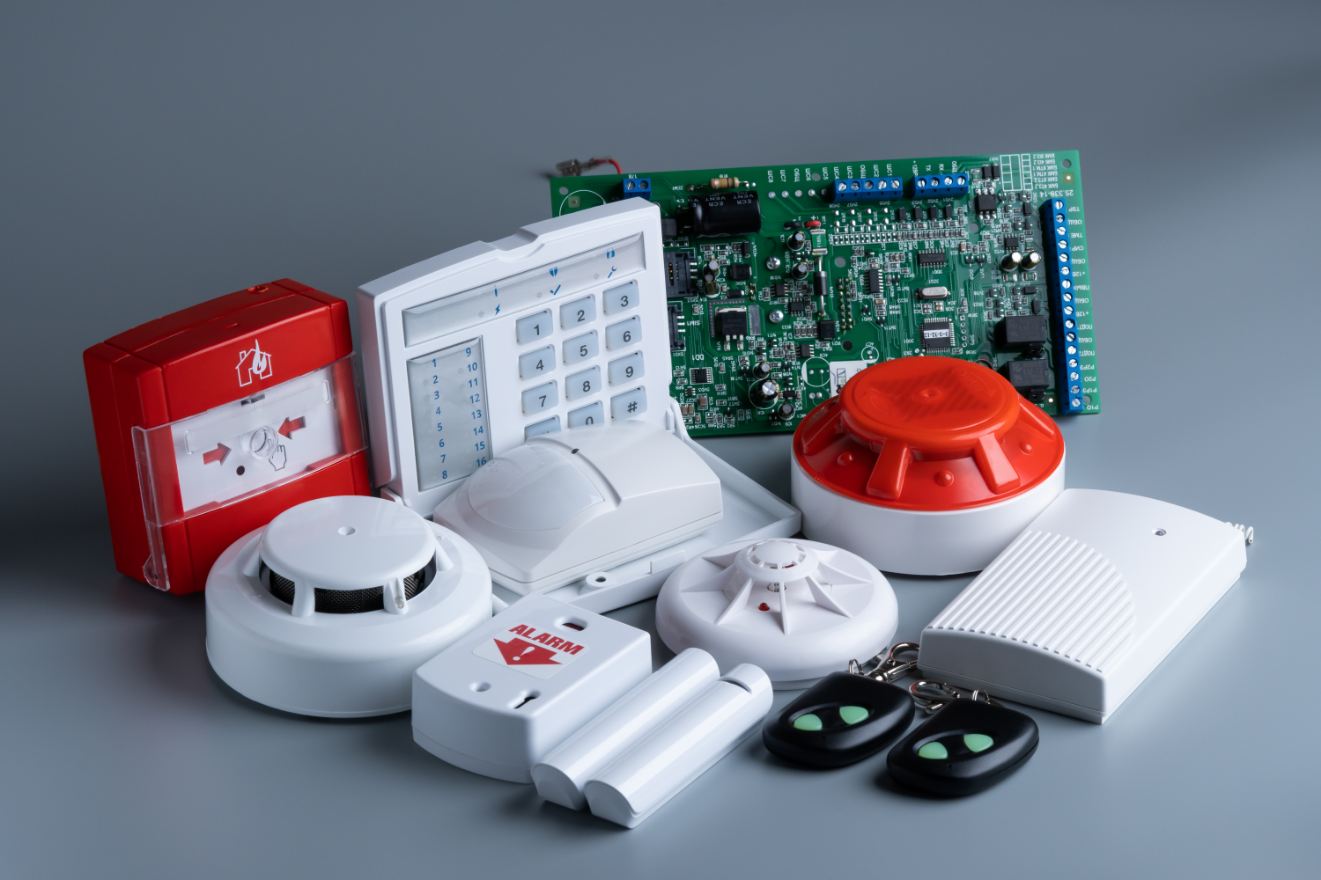
What’s New in UAE Civil Defence Electrical Standards: The Dubai Civil Defence (DCD) updated the UAE Fire and Life Safety Code in 2024 with enhanced electrical requirements for industrial buildings. Key updates include mandatory addressable fire alarm systems for facilities exceeding 2,000 square meters, increased emergency lighting duration requirements, and specific cable fire rating standards. These UAE Civil Defence electrical requirements in industrial buildings apply to all new construction and major renovation projects.
The Abu Dhabi Civil Defence implemented aligned requirements through the Abu Dhabi Fire and Life Safety Code of Practice. Both codes reference international standards including NFPA and BS EN while incorporating UAE-specific provisions for climate and construction practices. The Ministry of Interior provides federal coordination ensuring consistent fire safety standards across all emirates.
The Dubai Municipality coordinates building permit approval with Civil Defence requirements. The Emirates Authority for Standardization and Metrology (ESMA) certifies fire safety equipment including cables, detectors, and emergency lighting. Trakhees enforces Civil Defence requirements in JAFZA and other free zone industrial areas.
The Dubai Electricity and Water Authority (DEWA) electrical regulations align with Civil Defence requirements for fire safety systems. The Regulation and Supervision Bureau (RSB) coordinates electrical and fire safety standards in Abu Dhabi. Understanding current UAE Civil Defence electrical requirements in industrial buildings ensures project approval and occupant safety.
About Three Phase Tech Services Engineering Team: This technical guide is prepared by Three Phase Tech Services’ fire safety and electrical systems specialists. Our team has extensive experience in UAE industrial facility projects, Civil Defence approvals, and fire safety system design. Our engineers hold qualifications including Bachelor’s degrees in Electrical Engineering, professional certifications in fire protection engineering, and specialized training in UAE Fire and Life Safety Code requirements.
Three Phase Tech Services maintains DEWA-approved contractor status and works directly with Dubai Civil Defence, Abu Dhabi Civil Defence, and Trakhees on industrial projects. Our team has completed fire safety electrical projects for manufacturing plants, warehouses, petrochemical facilities, and logistics centers.
Learn more about our engineering team and certifications.
Scope of This Technical Guide: This article provides practical guidance on UAE Civil Defence electrical requirements in industrial buildings under current codes and standards. Coverage includes fire alarm systems, emergency lighting, fire pump electrical supplies, smoke control systems, and cable fire ratings as of December 2025. Individual project requirements vary based on building size, occupancy classification, and hazard levels.
For specific advice regarding your facility’s Civil Defence compliance requirements, system design, or approval documentation, consultation with qualified fire protection engineers is recommended. Contact Three Phase Tech Services for professional guidance addressing your specific needs.
Understanding UAE Civil Defence Electrical Requirements in Industrial Buildings
UAE Civil Defence electrical requirements in industrial buildings establish safety standards for electrical systems supporting fire detection, alarm, suppression, and evacuation. Industrial facilities present unique fire risks from manufacturing processes, stored materials, and high electrical loads. Civil Defence requirements address these risks through specific provisions for industrial occupancies ensuring adequate protection for personnel and property.
The UAE Fire and Life Safety Code classifies industrial buildings based on occupancy type and hazard level. Light hazard industries with minimal combustible materials face different requirements than high hazard facilities storing flammable materials. Facility classification determines fire alarm system type, detector spacing, emergency lighting levels, and other electrical requirements.
Compliance with UAE Civil Defence electrical requirements in industrial buildings involves multiple integrated systems. Fire detection and alarm systems provide early warning enabling evacuation. Emergency lighting ensures safe egress when normal power fails. Fire pump electrical supplies maintain suppression system operation. Smoke control systems prevent smoke spread protecting evacuation routes. Each system must meet specific design, installation, and testing requirements.
The approval process requires design submission, review, inspection during construction, and final certification before occupancy. Dubai Civil Defence and Abu Dhabi Civil Defence conduct plan reviews and field inspections. Understanding requirements early in project development prevents costly redesign and construction delays.
Fire Alarm System Requirements
Fire alarm systems form the foundation of UAE Civil Defence electrical requirements in industrial buildings.
System Type Selection
Addressable Systems
Dubai Civil Defence requires addressable fire alarm systems for industrial buildings exceeding 2,000 square meters. Addressable systems identify individual device locations enabling rapid response to alarm conditions. Each detector and manual call point has unique address displayed on the fire alarm control panel. Addressable technology provides faster fault identification and simplified maintenance.
Conventional Systems
Conventional fire alarm systems remain acceptable for smaller industrial facilities below 2,000 square meters. Conventional systems identify alarm zones rather than individual devices. Zone design must limit area to enable practical alarm investigation. Industrial facilities may require smaller zones than commercial buildings due to complex layouts.
Detection Requirements
Detector Types and Placement
Select detector types appropriate for industrial environment conditions. Smoke detectors suit most industrial areas but may be unsuitable where dust, fumes, or steam cause false alarms. Heat detectors provide reliable detection in challenging environments. Linear heat detection suits cable trays, conveyors, and elongated hazard areas.
Detector spacing follows UAE Fire and Life Safety Code requirements based on ceiling height and detector type. Industrial facilities with high ceilings may require reduced spacing or alternative detection approaches. Dubai Civil Defence reviews detector layouts during plan approval ensuring adequate coverage.
Manual Call Points
Install manual call points at exits and along evacuation routes per code requirements. Maximum travel distance to manual call points typically limited to 30 meters. Industrial facilities require additional call points at hazardous process areas. Weatherproof enclosures protect outdoor call points.
Notification Appliances
Audible notification appliances must achieve minimum sound levels throughout the facility. Industrial environments with high ambient noise require higher output sounders or supplementary visual notification. Visible notification appliances assist hearing-impaired occupants and supplement audible devices in noisy areas. Notification appliance placement ensures coverage throughout occupied areas.
Actionable Takeaway
Select fire alarm system type meeting Civil Defence requirements for your facility size. Design detection layout addressing industrial environment challenges including dust, heat, and high ceilings. Verify notification appliance coverage accounts for ambient noise levels. Submit complete fire alarm design for Civil Defence approval before installation. Contact Three Phase Tech Services for fire alarm system design support.
Emergency Lighting and Exit Signage
Emergency lighting requirements ensure safe evacuation when normal lighting fails.
Emergency Lighting Standards
Duration Requirements
UAE Civil Defence requires minimum 90-minute emergency lighting duration for industrial buildings. Some high-hazard occupancies require extended duration up to 3 hours. Battery systems must maintain required illumination levels throughout duration. Test emergency lighting monthly verifying duration capability.
Illumination Levels
Maintain minimum 1 lux illumination along escape routes. Higher illumination levels apply at changes of direction, intersections, and exit points. Industrial facilities with complex layouts require careful lighting design ensuring adequate coverage. Anti-panic lighting providing 0.5 lux minimum covers open areas exceeding 60 square meters.
Exit Signage Requirements
Sign Placement
Install illuminated exit signs at all exits and along evacuation routes. Signs must be visible from any point along escape routes. Maximum viewing distance determines sign size selection. Additional directional signs guide occupants toward exits where direct visibility is not possible.
Sign Specifications
Exit signs must comply with UAE Civil Defence approved specifications. Green running man pictogram per ISO 7010 provides internationally recognized format. Internally illuminated or externally illuminated signs with emergency battery backup meet requirements. Self-luminous photoluminescent signs may supplement but not replace illuminated signs.
System Configuration
Central Battery Systems
Central battery systems provide emergency lighting power from dedicated battery banks. Central systems suit large industrial facilities with numerous luminaires. System monitoring ensures battery health and lamp circuit integrity. Central systems require dedicated electrical rooms and maintenance access.
Self-Contained Luminaires
Self-contained emergency luminaires include integral batteries and charging circuits. Self-contained units suit smaller installations or supplementary lighting. Each luminaire operates independently during power failure. Monthly testing and periodic battery replacement maintain system reliability.
Actionable Takeaway
Design emergency lighting achieving required illumination levels and duration for your industrial facility classification. Position exit signs ensuring visibility from all occupied areas. Select central battery or self-contained systems based on facility size and maintenance considerations. Request emergency lighting design review from our fire safety team.
Fire Pump Electrical Systems
Fire pump electrical requirements ensure reliable water supply for suppression systems.
Power Supply Requirements
Primary and Secondary Supplies
Fire pumps require reliable power supplies per UAE Civil Defence requirements. Primary supply connects to normal building electrical service with dedicated feeder from main distribution. Secondary supply provides backup through emergency generator, separate utility service, or approved alternative. Automatic transfer between supplies ensures continuous pump availability.
DEWA and Civil Defence coordinate requirements for fire pump electrical supplies. Feeder sizing must accommodate pump starting current without excessive voltage drop. Protection settings permit momentary overloads during pump starting while providing short circuit protection.
Generator Backup
Emergency generators serving fire pumps must start automatically upon normal power failure. Generator capacity must include fire pump starting load plus other emergency loads. Fuel supply provides minimum 8 hours operation at full load. Generator location and fuel storage comply with Civil Defence fire safety requirements.
Controller Requirements
Fire pump controllers must be listed and approved for fire pump service. Controllers provide automatic and manual starting capability. Pressure switches or flow switches initiate automatic pump starting. Manual start capability at controller and remote locations enables operator intervention.
Controller features include running indicators, phase monitoring, and ground fault indication. Alarm contacts connect to fire alarm system for central monitoring. Controller enclosure ratings suit installation environment whether indoor or outdoor.
Wiring and Protection
Fire-Rated Cables
Cables serving fire pumps require fire rating maintaining circuit integrity during fire exposure. Mineral insulated cables or fire-rated cables per Civil Defence requirements protect fire pump circuits. Cable routing minimizes fire exposure where possible while fire rating provides protection where exposure is unavoidable.
Overcurrent Protection
Fire pump overcurrent protection permits locked rotor current for extended periods enabling pump restart attempts. Standard motor protection settings are not acceptable for fire pump applications. Fire pump controllers include appropriate protection coordination. Separate overcurrent protection at supply source coordinates with controller protection.
Actionable Takeaway
Design fire pump electrical systems with reliable primary and secondary power supplies. Select approved fire pump controllers with required features and protection coordination. Specify fire-rated cables for pump circuits per Civil Defence requirements. Contact our fire pump specialists for electrical system design support.
Smoke Control and Ventilation Systems
Smoke control electrical requirements protect evacuation routes during fire events.
Smoke Exhaust Systems
Design Requirements
Industrial buildings may require mechanical smoke exhaust systems based on size and configuration. Smoke exhaust systems remove smoke from fire areas maintaining tenable conditions in evacuation routes. System capacity provides required air changes based on compartment volume. Dubai Civil Defence reviews smoke control designs during plan approval.
Electrical Integration
Smoke exhaust fans receive power from emergency sources ensuring operation during normal power failure. Control systems interface with fire alarm for automatic activation. Manual override capability enables fire service operation. Fire-rated cables maintain circuit integrity during fire exposure.
Stairwell Pressurization
Pressurization Requirements
Stairwells in multi-story industrial buildings may require pressurization preventing smoke infiltration. Pressurization fans maintain positive pressure differential keeping smoke out of stairwells. Pressure sensors modulate fan speed or damper position maintaining required differential without excessive door opening forces.
Control Integration
Pressurization systems activate automatically upon fire alarm. Controls interface with fire alarm system receiving activation signals. Status monitoring confirms system operation. Dampers and fans coordinate for proper system function.
HVAC Shutdown
Normal HVAC systems must shut down upon fire alarm activation in affected areas. Shutdown prevents smoke spread through ductwork. Fire dampers close at duct penetrations through fire barriers. HVAC control integration with fire alarm provides automatic response.
Actionable Takeaway
Design smoke control systems meeting Civil Defence requirements for your building configuration. Ensure electrical supplies provide reliable power during emergencies. Integrate controls with fire alarm system for automatic and coordinated operation. Request smoke control design support for your industrial project.
Cable Selection and Fire Rating Requirements
Cable fire ratings address UAE Civil Defence electrical requirements in industrial buildings for circuit survivability.
Fire Performance Classifications
Fire-Resistant Cables
Fire-resistant cables maintain circuit integrity during fire exposure enabling continued operation of critical systems. BS 8519 and BS EN 50200 specify fire resistance testing requirements. Cables providing 30, 60, or 120-minute fire resistance suit different applications based on required survival time.
Fire-resistant cables serve fire alarm systems, emergency lighting, fire pumps, smoke control fans, and other life safety circuits. ESMA certification confirms cable compliance with fire performance requirements. Specify cables with appropriate certifications for Civil Defence approval.
Low Smoke Halogen Free Cables
Low smoke halogen free (LSHF) cables reduce toxic smoke generation during fires. LSHF cables suit occupied areas where smoke toxicity affects evacuation. Industrial facilities may require LSHF cables throughout or in specific areas based on occupancy and evacuation routes.
Application Requirements
Fire Alarm Circuits
Fire alarm circuits require fire-resistant cables maintaining communication with detectors during fire exposure. Minimum 30-minute fire resistance typically required with longer duration for critical circuits. Cable routing and support systems must also survive fire exposure enabling cable function.
Emergency Lighting Circuits
Emergency lighting circuits serving evacuation routes require fire-resistant cables. Duration requirement matches or exceeds battery duration ensuring cables survive throughout evacuation period. Central battery system distribution cables and final circuits to luminaires both require fire rating.
Fire Pump Circuits
Fire pump electrical supplies require fire-resistant cables or protected routing. Cable rating provides circuit survival for required fire pump operation duration. Alternative protection through fire-rated enclosures or buried routing may satisfy requirements where fire-rated cables are impractical.
Installation Requirements
Install fire-rated cables per manufacturer instructions maintaining rated performance. Support systems must survive fire exposure supporting cables throughout rated period. Penetration seals maintain fire barrier integrity where cables pass through rated walls and floors. Testing and certification confirm proper installation.
Actionable Takeaway
Select cables with appropriate fire performance ratings for each circuit application. Verify ESMA certification for fire-rated cables used in UAE projects. Install cables and support systems per manufacturer requirements maintaining fire performance. Contact our cable specification team for fire-rated cable selection guidance.
Cable Fire Rating Requirements Summary
| Circuit Type | Minimum Fire Rating | Cable Standard | Notes |
| Fire Alarm | 30 minutes | BS EN 50200 | Addressable loop cables |
| Emergency Lighting | 60-90 minutes | BS 8519 | Match battery duration |
| Fire Pump Supply | 60-120 minutes | BS 8519 | Based on pump operation requirement |
| Smoke Control | 60-120 minutes | BS 8519 | Match system operation requirement |
| Stairwell Pressurization | 120 minutes | BS 8519 | Extended operation for high-rise |
| Voice Alarm | 30 minutes | BS EN 50200 | Speaker and amplifier circuits |
Inspection and Approval Process
Systematic approach ensures successful Civil Defence approval for industrial building electrical systems.
Design Submission
Required Documents
Prepare complete design documentation for Civil Defence review. Documents include fire alarm layout drawings, emergency lighting calculations and layouts, fire pump electrical schematics, smoke control system descriptions, and cable fire rating schedules. Specifications detail equipment and material requirements.
Submit calculations demonstrating code compliance including detector spacing, illumination levels, cable sizing, and generator capacity. Product data sheets confirm equipment meets approved specifications. Design narrative explains system concepts and compliance approach.
Review Process
Dubai Civil Defence and Abu Dhabi Civil Defence conduct plan reviews prior to construction approval. Reviews verify design compliance with UAE Fire and Life Safety Code. Comments require response and potential design revision. Approval enables construction to proceed.
Construction Inspection
Progress Inspections
Civil Defence conducts inspections during construction verifying installation matches approved drawings. Inspectors verify cable routing, equipment installation, and fire barrier penetration sealing. Correct deficiencies before concealing work behind finishes. Document inspections in project records.
Testing Verification
Witness testing demonstrates system functionality. Fire alarm testing includes device activation, notification appliance operation, and system supervision. Emergency lighting testing verifies illumination levels and duration. Fire pump testing confirms starting, running, and controller operation.
Final Certification
Final Civil Defence inspection occurs before building occupancy. All systems must be complete, tested, and operational. Submit test reports, as-built drawings, and maintenance documentation. Approval certificate enables occupancy and operation.
Actionable Takeaway
Prepare thorough design documentation supporting Civil Defence review. Respond promptly to review comments avoiding approval delays. Coordinate construction inspections with project schedule. Complete all testing before requesting final inspection. Request approval process support from our Civil Defence coordination team.
Civil Defence Approval Timeline
| Phase | Duration | Key Activities | Deliverables |
| Design Submission | 1-2 weeks | Document preparation, submission | Complete drawing and specification package |
| Plan Review | 2-4 weeks | Civil Defence review, comments | Review comments or approval |
| Comment Response | 1-2 weeks | Address comments, revise documents | Updated submissions |
| Construction Inspection | Ongoing | Progress inspections, correction | Inspection records |
| System Testing | 2-4 weeks | Functional testing, documentation | Test reports |
| Final Inspection | 1-2 weeks | Final verification, certification | Occupancy certificate |
Common Compliance Issues and Solutions
Addressing common issues prevents delays and rejection during Civil Defence review and inspection.
Design Issues
Inadequate Detector Coverage
Detector layouts sometimes fail to account for obstructions, high ceilings, or environmental conditions. Review industrial process areas carefully identifying detection challenges. Consider alternative detector types for dusty or high-temperature environments. Address detector spacing for ceiling heights exceeding standard assumptions.
Insufficient Emergency Lighting
Emergency lighting designs may not achieve required illumination levels particularly in complex industrial layouts. Calculate illumination levels accounting for luminaire spacing, mounting height, and surface reflectances. Verify coverage at direction changes, intersections, and exit points. Add luminaires where calculations show deficiencies.
Installation Issues
Cable Fire Rating Gaps
Fire-rated cable systems sometimes have gaps in rating continuity. Ensure fire-rated cables, supports, junction boxes, and penetration seals all maintain consistent fire performance. Standard accessories with fire-rated cables may void fire rating. Use complete systems from single manufacturers where possible.
Improper Penetration Sealing
Fire barrier penetrations require proper sealing maintaining barrier fire rating. Unapproved or improperly installed penetration seals fail inspection. Use Civil Defence approved firestop systems installed per manufacturer instructions. Inspect seals before concealment and document installations.
Testing Issues
Documentation Deficiencies
Test reports sometimes lack required information for Civil Defence acceptance. Include all required test parameters, results, and equipment identification. Reference applicable standards and acceptance criteria. Sign and date reports by qualified testing personnel.
Functional Failures
Systems may fail during witness testing due to incomplete commissioning. Conduct internal testing before Civil Defence witness testing. Verify all devices, circuits, and functions operate correctly. Correct deficiencies before scheduling official tests.
Actionable Takeaway
Review designs thoroughly against Civil Defence requirements before submission. Inspect installations carefully against approved drawings. Conduct comprehensive internal testing before witness tests. Document all work supporting approval and maintenance. Contact our compliance specialists for design review and inspection support.
Frequently Asked Questions
1. What are UAE Civil Defence electrical requirements in industrial buildings?
UAE Civil Defence electrical requirements in industrial buildings specify standards for fire alarm systems, emergency lighting, fire pump electrical supplies, smoke control systems, and cable fire ratings. Requirements ensure occupant safety through early detection, evacuation support, and suppression system reliability during fire events.
2. When is an addressable fire alarm system required?
Dubai Civil Defence requires addressable fire alarm systems for industrial buildings exceeding 2,000 square meters. Addressable systems identify individual device locations enabling rapid response. Smaller facilities may use conventional systems meeting zone size requirements.
3. What emergency lighting duration is required?
UAE Civil Defence requires minimum 90-minute emergency lighting duration for industrial buildings. Some high-hazard occupancies require extended duration up to 3 hours. Battery systems must maintain required illumination throughout the specified duration.
4. What power supplies do fire pumps require?
Fire pumps require primary power from normal building electrical service and secondary power from emergency generator or separate utility service. Automatic transfer between supplies ensures continuous availability. Generator fuel supply provides minimum 8 hours operation.
5. What cable fire ratings are required for life safety systems?
Fire alarm circuits require minimum 30-minute fire resistance. Emergency lighting and fire pump circuits typically require 60-120 minute ratings based on required operation duration. Smoke control circuits require ratings matching system operation requirements.
6. How long does Civil Defence approval take?
Typical approval timelines include 2-4 weeks for plan review, 1-2 weeks for comment response if required, and 1-2 weeks for final inspection and certification. Complete submissions with thorough documentation expedite approval.
7. What causes Civil Defence rejection?
Common rejection causes include inadequate detector coverage, insufficient emergency lighting levels, improper cable fire ratings, unsealed or improperly sealed fire barrier penetrations, and incomplete test documentation. Thorough design review and careful installation prevent most rejections.
8. Are self-contained emergency lights acceptable?
Self-contained emergency luminaires with integral batteries are acceptable for industrial buildings. Both self-contained and central battery systems meet requirements when properly designed. System selection depends on facility size and maintenance considerations.
9. What smoke control requirements apply?
Industrial buildings may require mechanical smoke exhaust or stairwell pressurization based on size and configuration. Systems activate automatically upon fire alarm and require fire-rated electrical supplies. Civil Defence reviews smoke control designs during plan approval.
10. Who conducts fire alarm system testing?
Fire alarm testing requires qualified personnel with appropriate certifications. Testing firms must be approved by Civil Defence. Test reports must include all required parameters and be signed by qualified individuals. Civil Defence may witness critical tests.
Have additional questions? Get expert answers from our Civil Defence compliance team who understand UAE requirements for industrial buildings.
Conclusion and Next Steps
UAE Civil Defence electrical requirements in industrial buildings establish essential safety standards protecting personnel and property from fire hazards. Fire alarm systems provide early detection enabling timely evacuation. Emergency lighting ensures safe egress when normal power fails. Fire pump electrical systems maintain suppression water supply. Smoke control systems protect evacuation routes. Fire-rated cables ensure critical circuit survival during fire exposure.
Compliance requires understanding applicable codes, proper system design, quality installation, thorough testing, and complete documentation. Dubai Civil Defence and Abu Dhabi Civil Defence review designs and inspect installations ensuring code compliance before occupancy approval. Early engagement with requirements prevents costly redesign and project delays.
Industrial facilities present unique challenges including harsh environments affecting detector selection, complex layouts requiring careful emergency lighting design, and high-hazard processes demanding robust protection systems. Experienced fire protection engineers address these challenges ensuring practical, compliant designs.
Based on our experience at Three Phase Tech Services serving industrial facilities across Dubai, Abu Dhabi, and the UAE, thorough preparation and attention to detail ensure successful Civil Defence approval while delivering genuine fire safety protection.
Contact Three Phase Tech Services to discuss UAE Civil Defence electrical requirements for your industrial building project. Our certified engineering team provides fire safety system design, Civil Defence coordination, installation supervision, and testing services ensuring your facility achieves compliance and occupant protection.
Legal Disclaimer
General Information Statement: This article provides general information about UAE Civil Defence electrical requirements in industrial buildings. It does not constitute professional engineering advice. Information reflects UAE Fire and Life Safety Code requirements as of December 2025. Individual project requirements vary based on building classification, occupancy type, and hazard levels.
Three Phase Tech Services’ Advisory Capacity: This content is prepared by Three Phase Tech Services within our expertise in fire safety and electrical systems across the UAE. For specific advice regarding your Civil Defence compliance requirements, system design, or approval documentation, consultation with qualified fire protection engineers is recommended. Contact Three Phase Tech Services for professional guidance.
Technical and Regulatory Scope: This information addresses electrical requirements for industrial buildings in the UAE including Dubai Civil Defence and Abu Dhabi Civil Defence standards. Local authority requirements may vary by emirate and free zone jurisdiction. Projects must comply with applicable local specifications.
No Professional Relationship: Reading this article does not create professional engagement with Three Phase Tech Services or affiliated engineers. For specific engineering services, contact our office to discuss your requirements and establish formal service arrangements.
Regulatory Currency Statement: UAE fire safety codes and Civil Defence requirements evolve through regulatory updates. Information represents the framework as of December 2025. Always verify current requirements with Dubai Civil Defence, Abu Dhabi Civil Defence, and qualified professionals before implementing fire safety systems.