
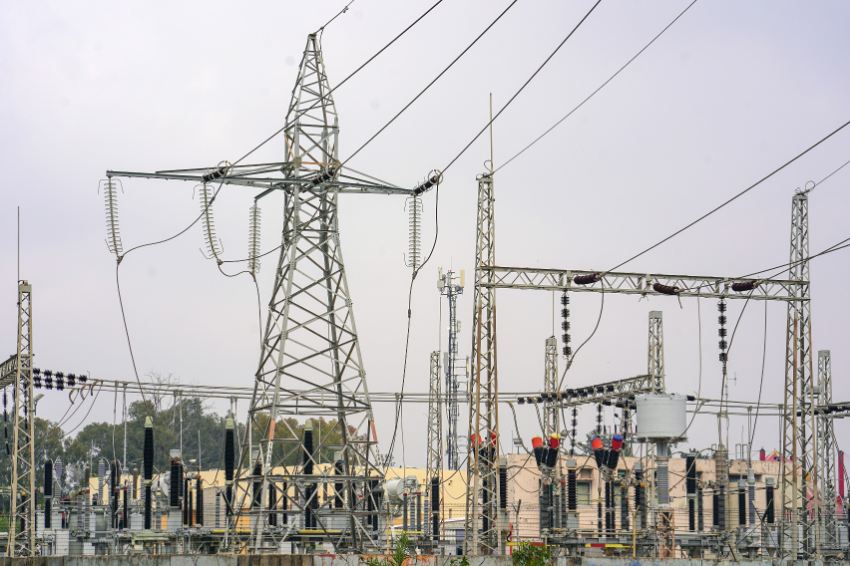
What’s New in UAE Peak Demand Management and Load Control Requirements: The Dubai Electricity and Water Authority (DEWA) introduced updated demand-side management regulations in 2024 encouraging industrial facilities to implement electrical load shedding strategies for peak demand reduction. DEWA’s Demand Response Program offers incentives for facilities participating in voluntary load reduction during system peak periods. Industrial consumers with connected loads exceeding 500 kW can enroll in demand response programs receiving compensation for load curtailment.
The Abu Dhabi Distribution Company (ADDC) and Al Ain Distribution Company (AADC) published similar guidelines for demand management in Abu Dhabi emirate. The Regulation and Supervision Bureau (RSB) issued technical requirements for automatic demand response systems connecting to utility control signals. The Federal Electricity and Water Authority (FEWA) implemented peak demand charges for industrial consumers in Northern Emirates.
The Emirates Authority for Standardization and Metrology (ESMA) adopted IEC 61850 communication standards for demand response systems enabling interoperability between facility systems and utility networks. The Dubai Municipality Green Building Regulations require demand management capabilities for new commercial and industrial developments. Trakhees enforces peak demand limits for industrial facilities in JAFZA requiring load management systems.
The Ministry of Energy and Infrastructure included demand-side management in the UAE Energy Strategy 2050 targeting reduction of peak electricity demand through active load management. Dubai Industrial City and KIZAD provide infrastructure supporting industrial demand response participation. These developments make implementing electrical load shedding strategies for peak demand increasingly important for UAE industrial operations.
About Three Phase Tech Services Engineering Team: This technical guide is prepared by Three Phase Tech Services’ power systems and energy management specialists. Our team has extensive experience in UAE industrial electrical projects, demand management systems, and load control implementations. Our engineers hold qualifications including Bachelor’s degrees in Electrical Engineering, professional certifications in power systems and energy management, and specialized training in building automation and demand response technologies.
Three Phase Tech Services maintains DEWA-approved contractor status and works directly with Dubai Municipality, Trakhees, and industrial zone authorities across the UAE. Our team has completed demand management projects for manufacturing plants, data centers, district cooling facilities, and commercial complexes. We specialize in load analysis, control system design, utility coordination, and commissioning services.
Learn more about our engineering team and certifications.
Scope of This Technical Guide: This article provides practical guidance on electrical load shedding strategies for peak demand management in UAE industrial zones under utility regulations and international standards. Coverage includes DEWA, ADDC, and FEWA requirements along with IEC standards as of December 2025. Individual facility requirements vary based on connected load, operational processes, and utility service agreements.
For specific advice regarding your load management requirements, system design, implementation planning, or technical specifications tailored to your facility, consultation with qualified power systems engineers is recommended. Contact Three Phase Tech Services for professional guidance addressing your specific needs.
Understanding Electrical Load Shedding Strategies for Peak Demand
Electrical load shedding strategies for peak demand involve systematically reducing electrical consumption during periods of high demand to control costs, maintain grid stability, and ensure operational continuity. UAE industrial facilities face significant peak demand challenges during summer months when cooling loads combine with production requirements creating maximum power consumption. Implementing effective load shedding strategies reduces electricity costs, avoids demand penalties, and supports utility grid stability.
Peak demand charges represent a substantial portion of industrial electricity costs in the UAE. Utilities measure maximum demand in kilowatts or kilovolt-amperes during billing periods with charges applying to the highest recorded demand. A single peak demand event can establish charges affecting multiple billing periods. Load shedding strategies target these peak events reducing maximum demand and associated costs.
Load shedding differs from energy conservation in its focus on timing rather than total consumption. While energy conservation reduces overall consumption, load shedding specifically targets demand peaks by shifting or temporarily curtailing loads during critical periods. Some loads may consume the same total energy while operating at different times avoiding peak coincidence.
UAE industrial zones present specific load shedding challenges and opportunities. High cooling requirements create predictable afternoon peaks during summer. Production schedules may allow flexibility in some processes. Multiple facilities within industrial zones may coordinate demand reduction. Understanding local patterns and opportunities enables effective load shedding implementation.
This guide examines electrical load shedding strategies for peak demand across manual and automatic approaches, priority classification methods, system integration, and implementation practices. Coverage addresses both utility-driven demand response and facility-initiated peak management ensuring industrial facilities can implement appropriate strategies for their operational requirements.
UAE Peak Demand Patterns and Tariff Structures
Understanding demand patterns and tariff structures guides effective load shedding strategy development.
Seasonal and Daily Demand Patterns
Summer Peak Characteristics
UAE electricity demand peaks during summer months from June through September when cooling loads reach maximum levels. System-wide peaks typically occur between 13:00 and 17:00 when outdoor temperatures exceed 45°C and building cooling systems operate at full capacity. Industrial facilities contribute to system peaks through combined cooling and production loads. Summer peak demand can exceed winter levels by 40-60%.
Daily Load Profiles
Daily load profiles follow predictable patterns with morning ramp-up, afternoon peak, and evening decline. Industrial facilities typically see load building from 06:00 as shifts begin and equipment starts. Peak periods concentrate between 12:00 and 18:00 during summer. Evening loads decline as temperatures moderate and production schedules wind down. Weekend patterns may differ from weekday profiles depending on operational schedules.
Facility-Specific Patterns
Individual facility patterns depend on production schedules, process requirements, and cooling loads. Continuous process facilities maintain relatively flat loads with cooling variations. Batch manufacturing shows load swings with equipment start/stop cycles. Understanding specific facility patterns identifies load shedding opportunities without disrupting critical operations.
Utility Tariff Structures
DEWA Industrial Tariffs
DEWA applies time-of-use tariffs for industrial consumers with higher rates during peak periods. Summer peak rates apply from June through September during afternoon hours. Demand charges based on maximum kilowatt demand add significant costs beyond energy consumption. Fuel surcharges and other adjustments affect total electricity costs.
ADDC and FEWA Structures
ADDC and FEWA implement similar tariff structures with demand charges and seasonal variations. Specific rates and periods differ between utilities requiring review of applicable tariff schedules. Industrial consumers should obtain current tariff documentation from their serving utility.
Demand Charge Mechanics
Demand charges measure maximum power draw during measurement intervals typically 15 or 30 minutes. Single high-demand interval establishes billing demand for the month or longer periods. Ratchet clauses may apply previous peak demand to subsequent months. Understanding measurement mechanics guides load shedding strategy design.
Cost Reduction Opportunities
Peak Demand Reduction Value
Reducing peak demand generates direct cost savings through lower demand charges. Each kilowatt of peak reduction saves the demand charge rate multiplied by applicable months. Annual savings can reach thousands of dirhams per kilowatt depending on tariff rates. High-demand facilities benefit most from aggressive peak management.
Time-of-Use Shifting
Shifting flexible loads from peak to off-peak periods reduces energy costs under time-of-use tariffs. Off-peak rates may be 20-40% lower than peak rates. Load shifting must consider process requirements and operational constraints. Combined demand and energy savings maximize economic benefit.
Demand Response Incentives
Utility demand response programs provide additional compensation for load curtailment. Enrolled facilities receive payments for reducing load during utility-called events. Program participation requirements include response time, curtailment amount, and availability commitments. Incentive values can significantly improve load shedding economics.
Actionable Takeaway
Analyze your facility demand patterns and applicable tariff structures identifying cost reduction opportunities. Calculate potential savings from peak demand reduction under current tariff rates. Evaluate demand response program participation benefits. Use economic analysis to guide load shedding investment decisions. Contact Three Phase Tech Services for demand analysis and cost reduction assessment.
Manual Load Shedding Approaches
Manual load shedding provides effective demand management without complex automation systems.
Scheduled Load Management
Staggered Equipment Starting
Stagger large equipment starting to avoid demand spikes from simultaneous inrush. Develop starting sequences spreading motor starts across multiple demand intervals. Program timers or instruct operators on required starting delays. Chiller starting sequences particularly benefit from staggered approaches avoiding multiple compressor starts within single measurement intervals.
Shift Schedule Coordination
Coordinate shift schedules to manage demand during peak periods. Stagger lunch breaks avoiding simultaneous return-to-work load spikes. Consider production scheduling avoiding highest-demand periods for discretionary operations. Second and third shift operations may offer demand benefits compared to concentrated daytime production.
Maintenance Timing
Schedule maintenance activities considering demand impacts. Perform equipment maintenance during off-peak periods when possible. Time restart of large loads after maintenance to avoid peak periods. Coordinate multiple equipment maintenance avoiding simultaneous restart demands.
Operator-Initiated Curtailment
Demand Monitoring
Provide operators with real-time demand monitoring enabling manual intervention. Display current demand against targets showing approaching peak conditions. Alert operators when demand approaches predetermined thresholds. Enable informed decisions about discretionary load curtailment.
Curtailment Procedures
Develop documented procedures for operator-initiated load shedding. Define which loads operators can curtail and under what conditions. Specify curtailment sequence and restoration procedures. Train operators on procedures and decision criteria ensuring consistent execution.
Communication Protocols
Establish communication protocols for coordinated load shedding across facility areas. Production supervisors need notification of potential curtailments affecting their areas. Coordination prevents curtailing loads needed for active production. Clear communication channels enable rapid response during demand events.
Pre-Cooling and Thermal Storage
Building Pre-Cooling
Pre-cool buildings during off-peak morning hours reducing afternoon cooling demand. Lower thermostat setpoints during early morning building air temperature before occupants arrive. Allow temperature to drift upward during peak periods relying on thermal mass. Pre-cooling shifts cooling energy consumption without sacrificing comfort significantly.
Process Pre-Cooling
Cool process materials or products during off-peak periods where applicable. Chill raw materials, water, or intermediate products before peak demand periods. Use stored cooling capacity during peak periods reducing refrigeration load. Process pre-cooling requires evaluation of production requirements and material constraints.
Thermal Mass Utilization
Utilize building thermal mass to reduce peak cooling loads. Heavy concrete construction stores cooling from overnight operation. Allow gradual temperature rise during peak periods staying within comfort bounds. Thermal mass strategies work best in well-insulated buildings with significant mass.
Actionable Takeaway
Implement manual load shedding approaches appropriate for your operational capabilities. Develop documented procedures and train operators on execution. Monitor results and refine approaches based on experience. Manual approaches provide foundation for future automation. Request load shedding procedure development support from our energy management team.
Automatic Load Shedding Systems
Automated systems provide rapid, consistent response to demand conditions.
Demand Controllers
Operating Principles
Automatic demand controllers monitor power consumption continuously and shed loads when demand approaches targets. Controllers measure demand over utility measurement intervals tracking cumulative consumption. Predictive algorithms project end-of-interval demand based on current trajectory. Load shedding activates when projected demand exceeds setpoints.
Controller Configuration
Configure demand controllers with appropriate setpoints, priorities, and timing parameters. Demand limits should reflect tariff thresholds and facility targets. Priority settings determine which loads shed first during demand events. Timing parameters control response speed and minimum load off times.
Load Control Outputs
Demand controllers provide outputs for controlling individual loads or load groups. Relay outputs directly control small loads or operate contactors for larger loads. Communication outputs interface with programmable controllers or building automation systems. Output capacity must match facility load control requirements.
Programmable Logic Controller Integration
PLC-Based Load Shedding
Industrial facilities with existing PLC infrastructure can implement load shedding within control systems. PLCs interface with power meters providing demand data for control decisions. Control logic implements shedding algorithms based on demand conditions. PLC implementation enables tight integration with process controls.
Communication Protocols
Load shedding systems communicate using standard industrial protocols. Modbus provides simple demand data communication from meters. BACnet enables integration with building systems. IEC 61850 supports utility demand response communication. Protocol selection depends on existing infrastructure and integration requirements.
Redundancy Considerations
Consider redundancy for critical load shedding systems. Controller failure during demand event could result in peak demand charges. Redundant controllers or failsafe designs maintain protection despite component failures. Criticality of demand management justifies appropriate redundancy investment.
Relay-Based Systems
Under-Frequency Load Shedding
Under-frequency load shedding protects against grid frequency decline during generation shortages. Frequency relays detect declining frequency and trip predetermined loads. Multiple stages shed increasing load as frequency drops further. Under-frequency protection supports grid stability while protecting facility equipment.
Under-Voltage Load Shedding
Under-voltage conditions may indicate system stress requiring load reduction. Voltage relays detect sustained low voltage and initiate load shedding. Load reduction helps voltage recovery protecting sensitive equipment. Under-voltage settings must avoid nuisance trips from normal voltage variations.
Utility Interface Requirements
Utility demand response programs may require specific interface capabilities. Direct load control allows utility signals to control facility loads. Automated demand response standards specify communication requirements. RSB technical requirements define utility interface specifications for UAE applications.
Actionable Takeaway
Select automatic load shedding technology matching your facility complexity and control infrastructure. Consider integration with existing systems for cost-effective implementation. Ensure appropriate redundancy for critical applications. Test systems thoroughly before relying on automatic operation. Contact our control systems team for automatic load shedding system design.
Load Shedding System Comparison
| System Type | Best Application | Response Speed | Implementation Cost | Integration Complexity |
| Standalone Demand Controller | Simple facilities, retrofit | Fast (seconds) | Low-Medium | Low |
| PLC-Based System | Industrial facilities with existing PLCs | Fast (seconds) | Medium | Medium |
| BMS Integration | Commercial buildings with BMS | Medium (seconds to minutes) | Medium-High | Medium-High |
| Utility Direct Control | Demand response programs | Varies by program | Low (utility provided) | Low |
| Frequency/Voltage Relays | Grid stability protection | Very Fast (cycles) | Medium | Low |
Priority Classification and Load Hierarchy
Proper load classification ensures critical operations continue during demand events.
Load Criticality Assessment
Life Safety Loads
Life safety loads including fire systems, emergency lighting, and egress support never participate in load shedding. These loads must remain energized under all conditions. Exclude life safety circuits from load shedding control entirely. Regulatory requirements prohibit interruption of life safety systems.
Process Critical Loads
Identify loads essential for continuous processes where interruption causes product loss or equipment damage. Furnaces, reactors, and continuous processes may require uninterrupted power. Cooling for critical equipment must consider thermal runaway risks. Process critical loads require careful evaluation before any shedding consideration.
Production Support Loads
Production support loads affect output but can tolerate brief interruptions without damage or major loss. Conveyors, material handling, and auxiliary systems often fall in this category. Brief interruptions may slow production without causing batch failures. These loads offer good shedding candidates with moderate impact.
Discretionary Loads
Discretionary loads can be interrupted with minimal operational impact. Office HVAC, non-essential lighting, and background processes suit aggressive shedding. Comfort impacts are temporary and acceptable during brief events. Discretionary loads form first priority for load shedding.
Priority Level Assignment
Three-Tier Systems
Simple applications use three priority levels for load classification. Priority 1 loads shed first including fully discretionary loads. Priority 2 loads shed when Priority 1 reduction insufficient. Priority 3 loads remain on unless extreme conditions require further reduction. Three-tier systems suit moderate-complexity facilities.
Multi-Level Hierarchies
Complex facilities may require additional priority levels for fine control. Five or more levels enable graduated response matching demand severity. Each level contains loads of similar importance and acceptable interruption duration. Multi-level hierarchies provide precise demand control capability.
Dynamic Priority Adjustment
Some loads may have variable priority depending on conditions. A furnace might be critical during heating cycle but discretionary when idle. Process state determines actual criticality at any moment. Advanced systems adjust priorities based on real-time conditions.
Load Group Organization
Functional Grouping
Group loads by function for coordinated shedding and restoration. HVAC systems typically shed as groups maintaining zone balance. Production lines shed and restore as units maintaining process coordination. Functional grouping simplifies control and maintains operational coherence.
Electrical Grouping
Organize load groups matching electrical distribution for practical control. Loads on common feeders or panels simplify control point requirements. Electrical grouping may conflict with functional needs requiring compromise. Consider both functional and electrical factors in group design.
Geographic Grouping
Large facilities may organize load groups geographically. Building-by-building or area-by-area organization suits campus facilities. Geographic grouping can align with local metering and management. Combination of geographic and functional grouping often provides best results.
Actionable Takeaway
Conduct thorough load criticality assessment involving production and facility stakeholders. Document priority assignments and shedding limitations for each load. Organize loads into controllable groups matching operational and electrical requirements. Review and update classifications as facility operations change. Request load classification support from our engineering team.
Integration with Building Management Systems
Building management system integration enables coordinated facility-wide demand management.
BMS Communication Interfaces
Protocol Selection
Select communication protocols supported by both BMS and load shedding systems. BACnet provides standardized building system communication widely supported by modern BMS platforms. Modbus offers simple integration for basic data exchange. Native protocols may provide enhanced functionality within single-vendor systems.
Data Point Mapping
Map required data points between systems for effective integration. Demand data from power meters feeds shedding decisions. Load status feedback confirms shedding commands executed. Temperature and process data may influence shedding decisions. Complete point mapping ensures full integration functionality.
Network Architecture
Design network architecture supporting reliable communication between systems. Dedicated networks may provide better reliability than shared infrastructure. Network redundancy suits critical applications. Security considerations require appropriate access controls and segmentation.
HVAC Load Management
Chiller Staging Control
Control chiller staging to reduce demand during peak periods. Limit number of chillers operating simultaneously during demand events. Sequence chiller starts avoiding simultaneous compressor starting. Chiller management often provides largest single demand reduction opportunity.
Air Handler Modulation
Modulate air handler operation during demand events. Reduce supply air volume within acceptable comfort ranges. Cycle air handlers in zones with flexibility. Air handler modulation reduces fan and cooling energy during peak periods.
Temperature Setpoint Adjustment
Raise cooling setpoints during demand events accepting temporary comfort reduction. 2-3°C setpoint increase significantly reduces cooling load. Communicate setpoint adjustments to occupants during events. Restore setpoints promptly when demand conditions clear.
Lighting Control Integration
Scheduled Dimming
Implement scheduled dimming during peak demand periods. Reduce lighting levels 20-30% during peak hours. Daylight harvesting maximizes natural light contribution. Dimming provides immediate load reduction with minimal occupant impact.
Zone-Based Shedding
Shed lighting in low-priority zones during demand events. Parking structures, storage areas, and unoccupied spaces suit lighting reduction. Maintain adequate lighting for safety and security. Zone-based control enables targeted reduction.
Occupancy-Based Control
Integrate occupancy sensing with demand management. Reduce lighting in unoccupied areas during demand events. Occupancy-based control avoids affecting occupied spaces. Integration with access control improves occupancy awareness.
Actionable Takeaway
Leverage existing BMS infrastructure for integrated demand management. Identify HVAC and lighting opportunities offering substantial demand reduction. Coordinate load shedding with comfort and operational constraints. Test integrated operation thoroughly before relying on automatic response. Contact our BMS integration specialists for system integration design.
Energy Storage and Peak Shaving Solutions
Energy storage enables peak demand reduction without operational curtailment.
Battery Energy Storage Systems
Peak Shaving Application
Battery systems discharge during peak demand periods reducing grid power draw. Batteries charge during off-peak periods when electricity costs less. Discharge during peak periods reduces both demand charges and peak energy costs. Battery sizing matches peak reduction targets and duration requirements.
Technology Selection
Lithium-ion batteries dominate commercial peak shaving applications. Various lithium chemistries offer different performance characteristics. Lithium iron phosphate (LFP) provides safety and longevity for stationary applications. System selection considers energy capacity, power rating, cycle life, and safety requirements.
Integration Requirements
Battery systems integrate with facility electrical distribution and control systems. Grid-parallel connection requires appropriate protection and interconnection equipment. Control systems coordinate battery operation with demand management strategy. DEWA technical requirements apply to grid-connected battery installations.
Thermal Energy Storage
Chilled Water Storage
Chilled water storage shifts cooling production from peak to off-peak periods. Chillers produce chilled water during night hours storing thermal energy. Stored chilled water meets cooling loads during peak periods with reduced chiller operation. Tank sizing provides hours of peak period coverage.
Ice Storage Systems
Ice storage provides higher energy density than chilled water systems. Chillers produce ice during off-peak hours. Ice melts during peak periods providing cooling with minimal chiller operation. Ice systems suit applications with significant daily cooling variation.
Implementation Considerations
Thermal storage requires space for tanks and associated equipment. System economics depend on rate differentials between peak and off-peak periods. Capital investment balances against energy and demand cost savings. Thermal storage suits new construction or facilities with available space.
Generator-Based Peak Shaving
Standby Generator Utilization
Existing standby generators can provide peak shaving capability during demand events. Generators start and assume load during peak periods reducing grid demand. Operation requires appropriate transfer equipment and control systems. Fuel costs and generator wear must justify demand charge savings.
Emissions and Permit Considerations
Generator operation for peak shaving faces emissions limitations and permit requirements. UAE environmental regulations limit generator operating hours and emissions. Permits may restrict non-emergency generator operation. Verify regulatory compliance before implementing generator peak shaving.
Maintenance and Reliability
Peak shaving operation increases generator runtime and maintenance requirements. Regular operation actually benefits standby generators through exercise. Maintenance schedules must account for peak shaving hours. Generator reliability directly affects peak shaving availability.
Actionable Takeaway
Evaluate energy storage options matching your demand reduction requirements and site constraints. Consider battery systems for rapid response and flexible deployment. Evaluate thermal storage for cooling-dominated facilities. Assess generator utilization considering regulatory and operational factors. Request energy storage feasibility assessment for your facility.
Peak Shaving Technology Comparison
| Technology | Response Time | Duration | Space Required | Relative Cost | Best Application |
| Battery Storage | Milliseconds | 1-4 hours | Low | High | Rapid response, limited space |
| Chilled Water Storage | Minutes | 4-8 hours | High | Medium | Cooling-dominated facilities |
| Ice Storage | Minutes | 6-12 hours | Medium | Medium-High | High cooling density needs |
| Generator Peak Shaving | Seconds | Hours | Low | Low (existing) | Facilities with standby generation |
| Thermal Mass | Hours | Hours | None | Low | Well-insulated buildings |
Implementation Planning and Commissioning
Systematic implementation ensures load shedding systems perform as designed.
Feasibility and Design Phase
Load Analysis
Conduct detailed load analysis identifying shedding candidates and constraints. Review electrical single-line diagrams identifying controllable loads. Interview operations personnel understanding process requirements and limitations. Analyze historical demand data identifying peak events and patterns.
System Design
Design load shedding system addressing identified opportunities within constraints. Select appropriate technology for facility complexity and existing infrastructure. Design control architecture and communication systems. Develop load priority classification and shedding sequences.
Economic Analysis
Prepare economic analysis supporting implementation investment. Calculate demand charge savings from projected peak reduction. Include energy savings from load shifting under time-of-use tariffs. Consider demand response program revenues if applicable. Present return on investment supporting project approval.
Installation and Configuration
Equipment Installation
Install load shedding equipment per approved designs and specifications. Mount demand controllers, relays, and communication equipment. Install power monitoring equipment providing demand data. Wire control outputs to load control points.
Control Configuration
Configure control systems implementing designed shedding logic. Program demand setpoints, priorities, and timing parameters. Configure communication between systems. Develop operator interface screens for monitoring and control.
Integration Testing
Test integration between load shedding systems and controlled loads. Verify demand signals reach controllers accurately. Confirm control outputs operate intended loads. Test communication between systems. Document integration testing results.
Commissioning and Validation
Functional Testing
Test all load shedding functions before operational use. Simulate demand conditions verifying appropriate shedding response. Test each priority level and load group. Verify restoration sequences operate correctly. Document functional test procedures and results.
Performance Verification
Verify system achieves designed demand reduction. Monitor actual demand during test shedding events. Compare achieved reduction against design targets. Identify and correct performance shortfalls. Performance verification confirms system value.
Operator Training
Train operators on load shedding system operation and response. Explain system operation and automatic functions. Define operator intervention procedures and limitations. Practice manual overrides and emergency procedures. Trained operators ensure effective ongoing operation.
Actionable Takeaway
Follow systematic implementation process from analysis through commissioning. Document design basis, configuration, and testing for future reference. Train all relevant personnel on system operation. Verify performance meets design targets before relying on system. Contact our commissioning team for load shedding system implementation support.
Monitoring and Performance Verification
Ongoing monitoring ensures continued load shedding effectiveness.
Real-Time Monitoring
Demand Dashboard
Implement real-time demand dashboard showing current consumption and targets. Display instantaneous demand, interval demand, and projected end-of-interval values. Show demand history and peak tracking. Make dashboard accessible to operators and management.
Event Logging
Log all load shedding events with timestamps, loads affected, and demand conditions. Record demand levels triggering shedding and achieved reduction. Track event duration and restoration sequence. Event logs support performance analysis and troubleshooting.
Alert Configuration
Configure alerts for significant demand events and system conditions. Alert operators when demand approaches shedding thresholds. Notify when automatic shedding activates. Alert on system faults or communication failures. Prompt alerts enable rapid response to abnormal conditions.
Performance Analysis
Demand Trend Analysis
Analyze demand trends identifying patterns and changes. Compare current period demands against historical baselines. Identify seasonal patterns and year-over-year changes. Trend analysis reveals opportunities and problems affecting demand management.
Shedding Effectiveness
Evaluate load shedding effectiveness during demand events. Compare achieved reduction against designed capability. Analyze why actual performance differs from design if applicable. Use analysis results to improve system configuration and operation.
Cost Savings Tracking
Track actual cost savings from demand management program. Compare demand charges before and after implementation. Calculate energy savings from load shifting. Document savings supporting program value and future investment.
Continuous Improvement
System Tuning
Tune system parameters based on operational experience. Adjust demand setpoints reflecting current tariffs and targets. Refine priority assignments based on operational feedback. Update shedding sequences improving effectiveness.
Load Inventory Updates
Update load inventory as facility changes affect shedding opportunities. Add new loads to shedding control where appropriate. Remove discontinued loads from system. Maintain current documentation reflecting actual configuration.
Technology Upgrades
Evaluate technology upgrades improving system capability. New monitoring features may enhance visibility. Advanced controllers may improve shedding precision. Communication upgrades may enable new integration opportunities.
Actionable Takeaway
Implement monitoring providing visibility into demand conditions and system performance. Analyze performance data identifying improvement opportunities. Track cost savings demonstrating program value. Continuously improve system based on operational experience. Request performance monitoring support from our energy management team.
Regulatory Compliance and Utility Coordination
Proper coordination with utilities ensures compliant load shedding implementation.
Utility Program Participation
DEWA Demand Response
DEWA demand response programs offer compensation for load curtailment during system peaks. Enrolled facilities commit to reduce load upon utility notification. Program requirements specify minimum curtailment amounts and response times. Compensation rates provide additional revenue beyond demand charge savings.
Enrollment Requirements
Demand response enrollment requires application and facility qualification. Minimum load reduction capability typically required for participation. Metering and communication requirements may apply. Review program terms carefully before commitment.
Event Response Obligations
Enrolled facilities must respond to utility demand response events. Event notification may come hours or minutes before curtailment required. Failure to curtail as committed may result in penalties. Ensure facility capability meets program commitments.
Technical Requirements
Metering Standards
Utility programs may require specific metering meeting accuracy and communication standards. Revenue-grade metering provides data for settlement. Interval metering records demand at required granularity. Communication systems transmit data to utility systems.
Communication Protocols
Automated demand response uses standardized communication protocols. OpenADR provides industry-standard demand response communication. IEC 61850 supports utility control system integration. Protocol selection depends on utility requirements and available options.
Testing and Certification
Utility programs may require system testing and certification. Demonstration tests verify load reduction capability. Communication testing confirms reliable utility interface. Annual testing may be required for continued participation.
Interconnection Considerations
On-Site Generation
On-site generation including batteries affects utility interconnection. Grid-connected systems require approved interconnection agreements. Technical requirements address protection, power quality, and safety. DEWA and RSB technical requirements apply to distributed generation.
Export Limitations
Some programs prohibit or limit energy export to grid. Load shedding combined with on-site generation may create export conditions. System controls must prevent unintended export. Verify export limitations before implementing combined strategies.
Protection Coordination
Protection coordination ensures safe operation of load shedding and generation systems. Anti-islanding protection prevents energizing grid during outages. Fault protection coordinates between utility and facility systems. Protection studies verify proper coordination.
Actionable Takeaway
Review utility demand response programs for participation opportunities. Understand technical requirements before committing to program enrollment. Coordinate on-site generation with utility requirements. Ensure compliance with interconnection and protection requirements. Contact our utility coordination team for program evaluation and enrollment support.
Frequently Asked Questions
1. What are electrical load shedding strategies for peak demand?
Electrical load shedding strategies for peak demand involve systematically reducing electrical consumption during high-demand periods to control costs and maintain grid stability. Strategies include manual load management, automatic demand controllers, and energy storage systems that reduce maximum power draw during peak periods.
2. Why is peak demand management important for UAE industrial facilities?
UAE industrial facilities face significant demand charges based on maximum power consumption. Summer cooling loads create peak demand conditions increasing electricity costs. Effective demand management reduces demand charges, avoids penalties, and may generate revenue through utility demand response programs.
3. What loads can be shed during peak demand events?
Discretionary loads including office HVAC, non-essential lighting, and background processes offer immediate shedding opportunities. Production support loads such as conveyors and auxiliary systems may tolerate brief interruptions. Critical process loads and life safety systems must not participate in shedding.
4. How do automatic demand controllers work?
Automatic demand controllers monitor power consumption continuously and predict end-of-interval demand. When projected demand exceeds setpoints, controllers shed loads according to programmed priorities. Controllers restore loads when demand conditions allow while avoiding new peaks.
5. What is the difference between load shedding and load shifting?
Load shedding temporarily reduces or eliminates loads during peak periods. Load shifting moves load operation from peak to off-peak periods without reducing total consumption. Both strategies reduce peak demand charges while load shifting also reduces energy costs under time-of-use tariffs.
6. How much can peak demand management save?
Savings depend on current demand levels, tariff rates, and achievable reduction. Each kilowatt of peak reduction saves the demand charge rate for applicable billing periods. Facilities reducing peak demand by 100-500 kW can save tens of thousands of dirhams annually depending on tariff structure.
7. What is DEWA’s demand response program?
DEWA offers demand response programs compensating facilities for load curtailment during system peak periods. Enrolled facilities commit to reduce load upon notification receiving payment for delivered curtailment. Programs support grid stability while providing revenue to participating facilities.
8. How do you determine load shedding priorities?
Load priorities reflect operational criticality and acceptable interruption duration. Life safety loads never shed. Critical process loads require careful evaluation. Production support and discretionary loads form primary shedding candidates. Priority assignment involves production, facilities, and engineering stakeholders.
9. Can building automation systems perform load shedding?
Modern building automation systems can implement load shedding for HVAC and lighting systems. Integration with demand controllers enables coordinated facility-wide response. BMS-based shedding suits commercial buildings with centralized building systems.
10. What is pre-cooling for peak demand management?
Pre-cooling reduces building or process temperatures during off-peak morning hours storing thermal energy. Reduced cooling operation during peak periods lowers demand while maintaining acceptable conditions. Pre-cooling shifts cooling energy without sacrificing comfort significantly.
11. How does battery storage support peak shaving?
Battery systems charge during off-peak periods and discharge during peak demand periods. Discharge reduces grid power draw lowering measured demand. Battery sizing matches peak reduction targets and required duration. Systems integrate with facility electrical and control systems.
12. What are thermal storage options for peak demand?
Thermal storage options include chilled water tanks and ice storage systems. Systems produce and store cooling during off-peak hours. Stored cooling meets loads during peak periods with reduced chiller operation. Thermal storage suits cooling-dominated facilities with available space.
13. How do you measure load shedding effectiveness?
Measure effectiveness by comparing actual peak demand before and after implementation. Track demand during shedding events comparing achieved reduction against targets. Calculate cost savings from reduced demand charges. Document performance demonstrating system value.
14. What commissioning is required for load shedding systems?
Commissioning includes functional testing of all shedding functions, performance verification confirming designed reduction, and operator training. Test each priority level and load group. Verify integration between systems. Document testing results for project records.
15. Do generators support peak shaving?
Existing standby generators can provide peak shaving by assuming facility load during peak periods. Operation requires appropriate transfer equipment and controls. Emissions regulations may limit operating hours. Verify permit compliance before implementing generator peak shaving.
16. What communication protocols support demand response?
OpenADR provides industry-standard automated demand response communication. IEC 61850 supports utility control system integration. BACnet and Modbus enable building system integration. Protocol selection depends on utility requirements and existing infrastructure.
17. How often should load shedding systems be tested?
Test load shedding systems at least annually verifying continued functionality. More frequent testing suits critical applications or changing conditions. Test after any system modifications. Utility programs may require periodic demonstration testing.
18. What documentation supports load shedding implementation?
Documentation includes load analysis, system design, priority classifications, configuration settings, and testing results. Maintain current load inventory and control logic. Document operator procedures and training. Complete documentation supports maintenance and troubleshooting.
Have additional questions? Get expert answers from our demand management specialists who understand UAE utility requirements and industrial operations.
Conclusion and Next Steps
Electrical load shedding strategies for peak demand provide effective tools for managing electricity costs and supporting grid stability in UAE industrial zones. Summer peak demand creates significant cost exposure through demand charges applying to maximum power consumption. Systematic load shedding reduces peak demand, avoids penalties, and may generate revenue through utility demand response programs.
Effective strategies combine manual procedures and automatic systems appropriate for facility complexity and requirements. Manual approaches including staggered starting, scheduled curtailment, and pre-cooling provide immediate benefits with modest investment. Automatic demand controllers and integrated building management systems deliver consistent rapid response to demand conditions.
Proper load classification ensures critical operations continue during demand events. Life safety and process-critical loads require protection from shedding. Production support and discretionary loads offer shedding opportunities with acceptable operational impact. Priority assignment involves stakeholders from production, facilities, and engineering ensuring operational requirements guide system design.
Energy storage technologies including batteries and thermal storage enable peak reduction without operational curtailment. These systems shift energy consumption from peak to off-peak periods reducing both demand and energy costs. Technology selection depends on facility requirements, space availability, and economic analysis.
Implementation requires systematic planning from load analysis through commissioning and operator training. Ongoing monitoring verifies system performance and identifies improvement opportunities. Utility coordination ensures compliance with demand response program requirements and interconnection standards.
DEWA, ADDC, and other UAE utilities continue developing demand management programs supporting grid stability and offering incentives for participating facilities. Industrial facilities implementing effective load shedding strategies position themselves to benefit from these evolving programs.
Based on our experience at Three Phase Tech Services serving industrial facilities across Dubai, Abu Dhabi, and the UAE, properly implemented load shedding programs consistently deliver projected cost savings while maintaining operational requirements.
Contact Three Phase Tech Services to discuss electrical load shedding strategies for your industrial facility. Our certified engineering team provides load analysis, system design, implementation support, and utility coordination ensuring your demand management program achieves maximum effectiveness.
Legal Disclaimer
General Information Statement: This article provides general information about electrical load shedding strategies for peak demand in UAE industrial zones. It does not constitute professional engineering advice. Information reflects UAE utility requirements and international standards as of December 2025. Individual facility requirements vary based on connected load, operational processes, and utility service agreements.
Three Phase Tech Services’ Advisory Capacity: This content is prepared by Three Phase Tech Services within our expertise in power systems, energy management, and demand control across the UAE. For specific advice regarding your load management requirements, system design, implementation planning, or technical specifications tailored to your facility, consultation with qualified power systems engineers is recommended. Contact Three Phase Tech Services for professional guidance addressing your specific requirements.
Technical and Regulatory Scope: This information addresses demand management for facilities in the UAE including DEWA requirements, ADDC guidelines, RSB standards, and international specifications. Local utility requirements may vary. Facilities must comply with applicable utility tariffs, demand response program terms, and technical requirements.
No Professional Relationship: Reading this article does not create professional engagement with Three Phase Tech Services or affiliated engineers. For specific demand management engineering services, system design, implementation support, or utility coordination, contact our office to discuss your requirements and establish formal service arrangements. Initial consultations enable facility assessment and customized solutions.
Regulatory Currency Statement: UAE utility regulations, tariff structures, and demand response programs evolve through regulatory updates and utility initiatives. Information represents the framework as of December 2025. Always verify current requirements with relevant utilities including DEWA, ADDC, FEWA, and qualified professionals before implementing load shedding systems or participating in demand response programs.