
Power System Study & Analysis
Power system studies and analysis are carried out to evaluate how an electrical network performs under different conditions. These studies are essential when designing new installations or expanding existing systems. With modern networks becoming more complex, the goal is to ensure reliable, efficient, and safe operation of power systems without compromising on quality. Using advanced software modeling tools, these studies help in optimizing system performance and identifying areas of improvement.

Send Enquiry
Our Clients


Power System Study consists of
Electrical Distribution Assessments
Electrical Load Monitoring
Short Circuit Analysis
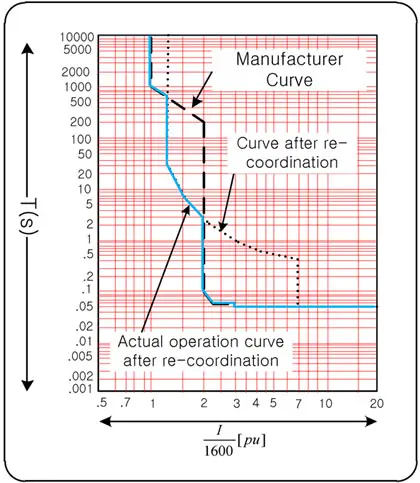
Time-Current Coordination
Power Factor Correction
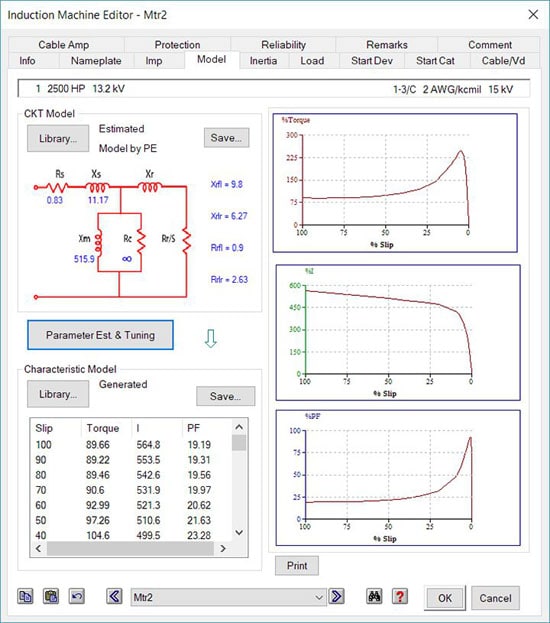
Motor Starting Analysis
Motor Torque/Acceleration Analysis
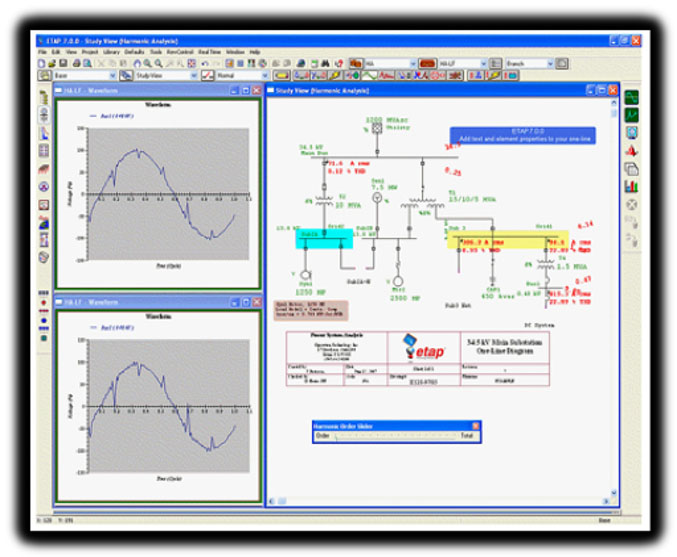
Harmonic Analysis
Transient Analysis
Load Flow Grounding & Earthing Analysis
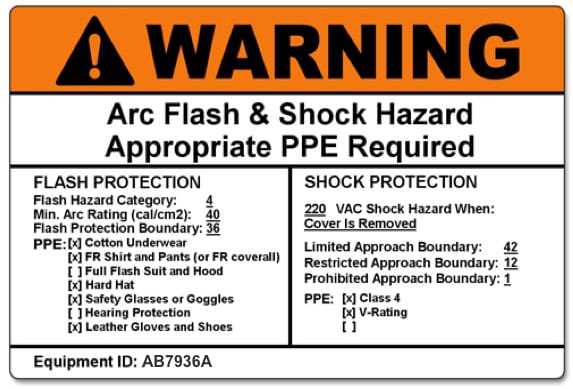
Arc Flash Analysis
Lightning Protection
Supporting Electrical Maintenance
Routine maintenance alone may not reveal hidden risks in your electrical infrastructure. A detailed diagnostic study by qualified experts provides deeper insights, helping companies maintain their systems more effectively. This improves overall safety, reduces risks, and ensures smooth functionality of critical operations. Power system studies provide essential information for electrical maintenance planning by identifying equipment loading, protection coordination issues, and potential failure modes. Predictive analysis enables proactive maintenance scheduling and prevents unexpected equipment failures that could disrupt operations.
Safeguarding Operations
Faults can occur at any stage within a power distribution network. Without proper analysis and preventive measures, these faults can affect equipment, personnel safety, and business continuity. Three Phase Tech Services conducts thorough power system studies that strengthen system reliability and safeguard operations against potential failures. Comprehensive power system analysis identifies potential failure modes, evaluates system vulnerabilities, and recommends protective measures to maintain operational continuity. Proactive system analysis prevents costly failures and ensures reliable electrical supply for critical operations.
The Business Impact of Electrical Failures
Unresolved electrical issues can result in significant consequences, such as: Operational Downtime: Disruptions that slow or halt production, leading to heavy financial losses. Electrical failures can cause immediate production shutdowns, equipment damage, and extended recovery periods. Power system studies identify vulnerable system components and recommend protective measures to prevent failures and minimize downtime duration when failures occur. Equipment Damage: Failures that cause irreparable harm to machinery and critical assets. Electrical faults can damage expensive equipment through overcurrent, overvoltage, or arc flash incidents. Proper protection coordination and fault analysis prevent equipment damage by ensuring rapid fault clearing and appropriate protective device operation.
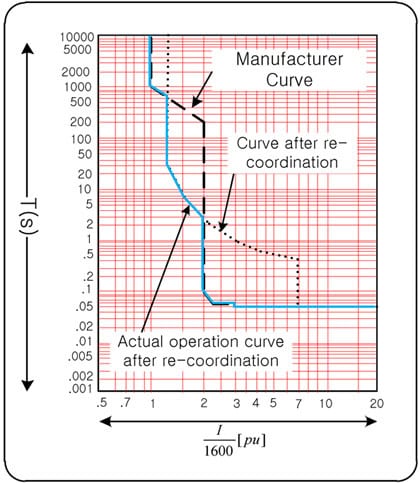
Benefits of Power System Study
Technical information about your system under normal & fault conditions
Comprehensive power system studies provide detailed technical information about electrical system performance under both normal operating conditions and various fault scenarios. This information enables informed decisions about system operation, maintenance, and upgrades.
Opportunities to reduce demand and energy costs Reports highlighting problem areas
Power system analysis identifies energy conservation opportunities including power factor improvement, load balancing, demand reduction, and energy efficiency measures. Economic analysis quantifies potential cost savings and evaluates improvement alternatives.
Reports highlighting problem areas
Comprehensive study reports identify electrical system deficiencies including overloaded equipment, coordination problems, voltage regulation issues, and safety concerns. Problem identification enables proactive corrective action before failures occur.
Recommendations on solutions & equipment to system-wide problems
Professional engineering recommendations address identified problems through equipment upgrades, protection improvements, system modifications, and operational changes. Solutions consider technical requirements, economic factors, and implementation constraints.
Information on how and where energy is being used
Detailed energy analysis shows power consumption patterns, load characteristics, and energy usage distribution throughout the electrical system. Energy information supports energy management programs and conservation initiatives.
Reassurance of protective device ratings
Protection device analysis verifies adequate interrupt capacity, proper coordination, and appropriate settings for reliable fault protection. Device verification ensures personnel safety and equipment protection during fault conditions.
Help to avoid damage and injuries
Safety analysis including arc flash studies, grounding analysis, and protection coordination helps prevent electrical accidents and equipment damage. Safety recommendations protect personnel and assets from electrical hazards.
Knowledge of the effects of harmonics and transients
Harmonic and transient analysis evaluates power quality impacts on electrical equipment and system performance. Analysis identifies mitigation requirements and protects sensitive equipment from power quality disturbances.
Frequently Asked Questions
What is a power system study and why is it important?
A power system study is a comprehensive analysis of electrical power systems using computer modeling to evaluate system performance under normal and fault conditions. It includes load flow analysis, short circuit studies, coordination studies, and arc flash analysis to ensure safe, reliable, and efficient electrical system operation.
How often should power system studies be updated?
Power system studies should be updated every 5 years or whenever significant electrical system changes occur, including new equipment additions, load changes, utility modifications, or protection system upgrades. Critical facilities may require more frequent updates every 3 years.
What software is used for power system analysis?
Professional power system analysis uses specialized software including ETAP, SKM Power Tools, CYME, PSS/E, and PowerWorld for electrical system modeling, load flow calculations, short circuit analysis, and protection coordination studies.
What data is needed for power system studies?
Power system studies require single-line diagrams, equipment specifications, load data, utility information, protection device settings, cable and conductor data, transformer information, and motor specifications for accurate electrical system modeling and analysis.
How long does a power system study take to complete?
Study duration depends on system complexity and scope. Simple industrial facilities may require 2-4 weeks, while complex facilities with multiple voltage levels may need 6-12 weeks. Data collection and model development typically require the most time.
What is the difference between load flow and short circuit analysis?
Load flow analysis evaluates steady-state system performance under normal operating conditions, calculating voltages, currents, and power flows. Short circuit analysis evaluates fault conditions, calculating available fault currents for protective device selection and equipment rating verification.
Why is arc flash analysis important?
Arc flash analysis calculates incident energy levels during electrical faults to determine safe working distances and personal protective equipment requirements. Arc flash studies ensure worker safety and compliance with NFPA 70E electrical safety standards.
How does power system analysis support maintenance programs?
Power system studies identify equipment loading, protection coordination issues, and potential failure modes to support maintenance planning. Analysis enables proactive maintenance scheduling and prevents unexpected equipment failures.
Power System Study
Understanding Professional Power System Studies and Electrical Analysis
Power system studies encompass comprehensive electrical network analysis using computer modeling and simulation to evaluate system performance, identify potential problems, and optimize electrical infrastructure. Professional electrical system analysis includes steady-state studies, dynamic analysis, and fault studies that provide essential information for system design, operation, and maintenance decisions.
Electrical power system modeling requires accurate representation of all system components including generators, transformers, transmission lines, distribution circuits, loads, and protective devices. Advanced power system analysis software utilizes mathematical models and numerical methods to solve complex electrical network equations and predict system behavior under various operating conditions.
Types of Power System Studies
Load Flow Analysis: Steady-state analysis calculating voltage, current, and power flows throughout the electrical network under normal operating conditions. Load flow studies optimize system performance and identify voltage regulation issues.
Short Circuit Analysis: Fault analysis calculating available fault currents throughout the electrical system. Short circuit studies determine protective device requirements and verify equipment interrupt ratings.
Stability Analysis: Dynamic analysis evaluating system response to disturbances and determining system stability margins. Stability studies ensure reliable system operation following faults and equipment outages.
Harmonic Analysis: Frequency domain analysis evaluating harmonic distortion effects on electrical equipment and system performance. Harmonic studies identify filter requirements and assess power quality impacts.
Professional Standards and Analysis Software
IEEE Power System Analysis Standards
Power system studies follow established IEEE standards including:
- IEEE 399: Recommended Practice for Industrial and Commercial Power System Analysis
- IEEE 551: Recommended Practice for Calculating Short-Circuit Currents
- IEEE 242: Recommended Practice for Protection and Coordination
- IEEE 1584: Guide for Performing Arc-Flash Hazard Calculations
- IEEE 519: Recommended Practice for Harmonic Control
Industry-Standard Analysis Software
Professional power system studies utilize specialized software including ETAP, SKM Power Tools, CYME, PSS/E, PowerWorld, and PSCAD for comprehensive electrical system analysis. These platforms provide integrated analysis modules for load flow, short circuit, coordination, arc flash, and harmonic studies.
Professional Power System Analysis Commitment
Three Phase Tech Services provides comprehensive power system study services that meet industry standards and deliver actionable results for electrical system improvement. Our power system engineers utilize proven methodologies and industry-standard software to ensure accurate analysis and reliable recommendations.
We understand that electrical system reliability directly impacts operational success and safety. Our power system studies are designed to identify problems early, optimize system performance, and provide practical recommendations that enhance electrical system reliability while minimizing operational disruption and costs.
Quality Assurance Program
Our quality assurance program includes engineer certification, software validation, calculation verification, and comprehensive report review processes. These measures ensure reliable results and consistent service quality across all power system study projects.
Continuous Technology Advancement
We continuously update our analysis software, calculation methods, and procedures to incorporate technological advances and industry best practices. This commitment ensures clients receive the most current and effective power system analysis services available.
Ready to optimize your electrical system performance? Contact our power system engineers to discuss your analysis needs and develop a comprehensive study program that addresses your specific electrical system requirements and operational objectives.