


Energy Audits & Diagnostic Solutions
Industrial and commercial facilities face rising energy costs, equipment failures, and compliance requirements. Energy audits and diagnostic solutions from Three Phase Tech Services identify inefficiencies, safety risks, and power quality issues across electrical systems. Facility managers, maintenance engineers, operations managers, and safety officers use these services to reduce operating costs, prevent unplanned downtime, and meet regulatory standards.
Why This Service Matters
Electrical systems represent a significant portion of total energy consumption in industrial facilities. Without systematic assessment, problems remain hidden until equipment fails or utility bills increase unexpectedly.
Problems Addressed
- Unexplained increases in electricity costs
- Frequent equipment trips and unplanned shutdowns
- Power quality issues affecting sensitive equipment
- Non-compliance with electrical safety regulations
- Overheating connections and fire risks
- Grounding system failures and shock hazards
Potential Outcomes
- Reduced energy consumption through identified efficiency measures
- Lower electrical maintenance costs through early fault detection
- Fewer unplanned electrical outages
- Compliance with IS/IEC standards and local electrical codes
- Extended equipment lifespan through predictive maintenance
- Documented safety improvements for insurance and regulatory purposes
Measurement Instruments
- Power quality analyzers for voltage, current, harmonics, and transients
- Thermal imaging cameras with appropriate sensitivity for electrical inspection
- Earth resistance testers using fall of potential method
- Insulation resistance testers for cable and equipment testing
- Clamp meters and multimeters for spot measurements
- Data loggers for continuous monitoring over extended periods
Analysis Approach
- Statistical trend analysis for energy consumption patterns
- Harmonic source identification using measurement data
- Thermal anomaly classification per NETA guidelines
- Load flow calculations for capacity assessment
- Comparison against applicable standards and benchmarks
Standard Report Contents
- Executive summary with key findings and priority actions
- Methodology description and measurement locations
- Detailed results with supporting data
- Photographs and thermal images where applicable
- Comparison against standards and benchmarks
- Risk assessment and prioritization matrix
Decision-Making Support
- Cost-benefit analysis for recommended measures
- Payback period calculations where applicable
- Risk-based prioritization of corrective actions
- Implementation sequencing recommendations
- Budget estimates for planning purposes
- Reports are delivered in PDF format with source data in Excel for further analysis.
Energy Audits & Diagnostic Solutions
Six specialized audit and diagnostic services address different aspects of electrical system performance, safety, and efficiency. Each service can be conducted independently or combined into a comprehensive assessment program.
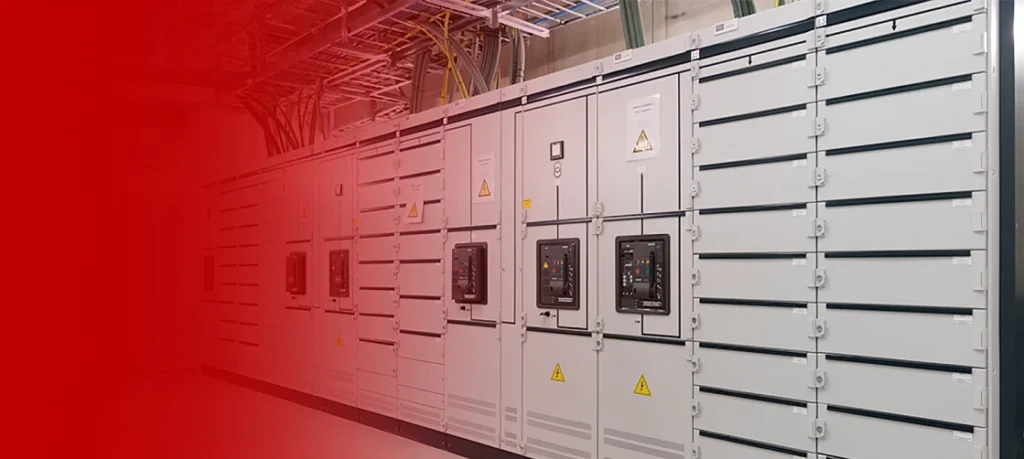
Energy Audit
Comprehensive assessment of energy consumption patterns, equipment efficiency, and operational practices to identify cost reduction opportunities and improve overall facility energy performance.
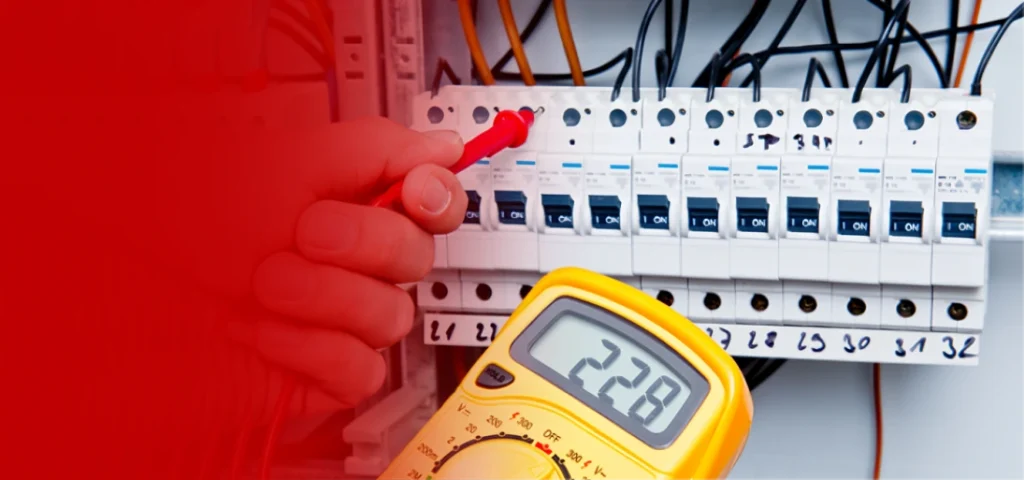
Electrical Audit
Systematic evaluation of electrical infrastructure including panels, cables, transformers, and protection systems to identify deficiencies, overloading conditions, and upgrade requirements.

PQ Audit & Harmonic Analysis
Measurement and analysis of voltage fluctuations, harmonics, power factor, and transients affecting equipment performance and energy efficiency across industrial and commercial electrical networks.

Thermography
Non-contact infrared inspection of electrical connections, panels, and equipment to detect hotspots, loose connections, and overloaded circuits before failure occurs.
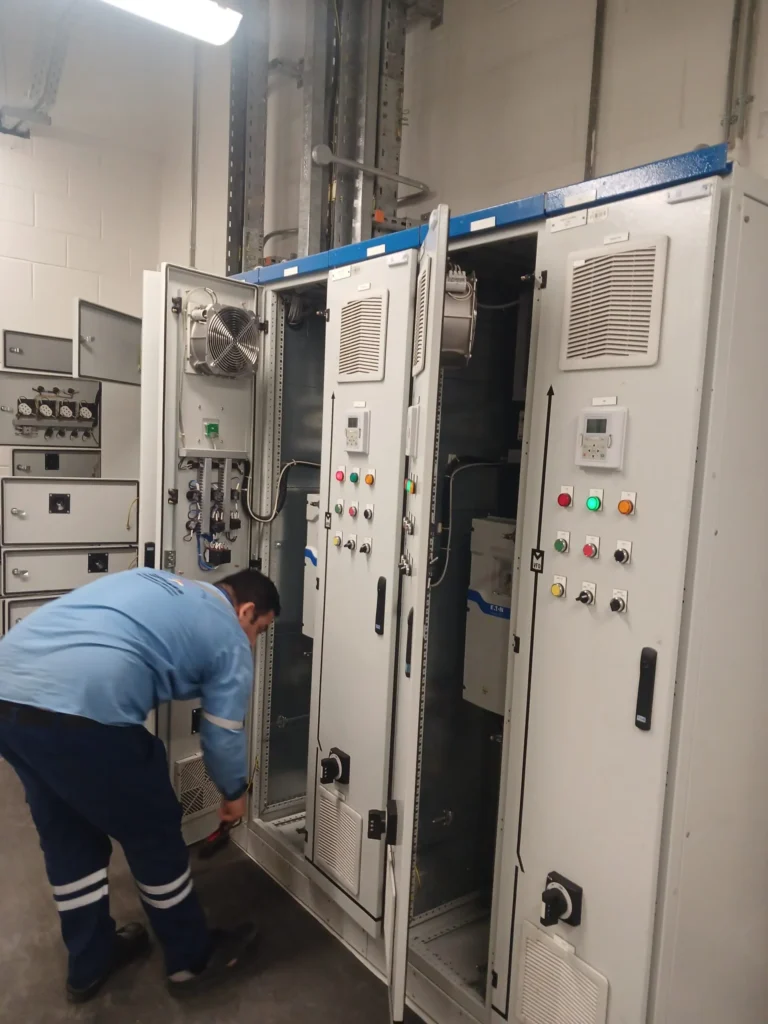
Electrical Safety Audit
Assessment of electrical installations against safety codes and standards to identify shock hazards, arc flash risks, and compliance gaps requiring corrective action.

Earth Pit Study
Testing and analysis of grounding systems including earth pit resistance, soil resistivity, and electrode condition to ensure personnel and equipment protection.
Segments We Serve
Retail
Healthcare
Hospitality
data centers
Manufacturing
Processing Industry
Facility Management
Water Treatment Plants
How Engagement Works
Three engagement models are available based on facility requirements and objectives.
Duration: 2 to 6 weeks depending on scope
Duration: 3 to 6 months
Frequency: Quarterly, semi-annual, or annual cycles
Applicable Standards
All audit services reference applicable national and international standards:
- IS 16818 (Energy Audit Standard)
- ISO 50001 and ISO 50002 (Energy Management and Audits)
- Bureau of Energy Efficiency guidelines
- IS 732 (Code of Practice for Electrical Wiring)
- IE Rules 1956/2003
- IS 3043 (Code of Practice for Earthing)
- IEEE 519 (Harmonic Control in Electric Power Systems)
- IEEE 1584 (Arc Flash Hazard Calculations)
- IEC 61000 series (Electromagnetic Compatibility)
- NFPA 70B and 70E (Electrical Equipment Maintenance and Safety)
- NETA MTS (Maintenance Testing Specifications)

Frequently Asked Questions
What is included in the scope of an energy audit?
An energy audit covers all significant energy-consuming systems including electrical distribution, lighting, HVAC, motors, compressed air, and process equipment. Scope is defined based on facility size and objectives during initial discussions.
What is the difference between an energy audit and an electrical audit?
An energy audit focuses on consumption patterns, efficiency, and cost reduction opportunities across all energy sources. An electrical audit evaluates the condition, capacity, safety, and compliance of electrical infrastructure specifically.
Can multiple audit services be combined?
Yes. Services can be conducted individually or combined into a comprehensive assessment. Combined audits often provide better value and more complete facility insights.
What access is required during the audit?
Access is needed to electrical rooms, panel boards, utility meters, and equipment areas. Operating records, utility bills, and equipment documentation should be made available.
Are audits conducted while equipment is operating?
Most measurements require equipment to be operating under normal load conditions. Thermography specifically requires minimum 40% load for accurate results per NETA guidelines. Shutdown is only needed for internal inspections.
Is audit data kept confidential?
All data, reports, and findings remain confidential. Non-disclosure agreements are provided upon request.
Will audits cause operational downtime?
Most assessments are conducted during normal operations without downtime. Where shutdown is required (typically for internal inspections), timing is coordinated with maintenance schedules.
Who owns the audit data and reports?
All data collected and reports generated become client property upon payment. Source data files are provided along with final reports.